Blog posts by Category: Industry Update

Posted on | Industry Update
PRP Insurance and Coding: Key Considerations for Practices Publish date: October 7, 2026 Introduction: Why Coverage Questions Come First PRP insurance and coding questions come up early for almost every practice that considers platelet-rich plasma. Coverage rules differ by payer, by indication, and by state, so a clear view of the landscape helps a practice…
Posted on | Physician Perspectives
As Major League Baseball heads into the final stretch of its regular season, one name feels especially present this year: Tommy John. His story is one of the most consequential in baseball and in sports medicine. It began with an injury that could have ended a career, and it became a turning point in what…

Posted on | Patient Health
PRP in Dental and Oral Surgery: An Emerging Application Publish date: July 29, 2026 Introduction: A Growing Area of Interest PRP dental and oral surgery applications have drawn growing interest from providers in recent years. Oral tissue heals inside a highly vascular, biologically active site, so practitioners have started to ask a simple question: can…
Posted on | Industry Update
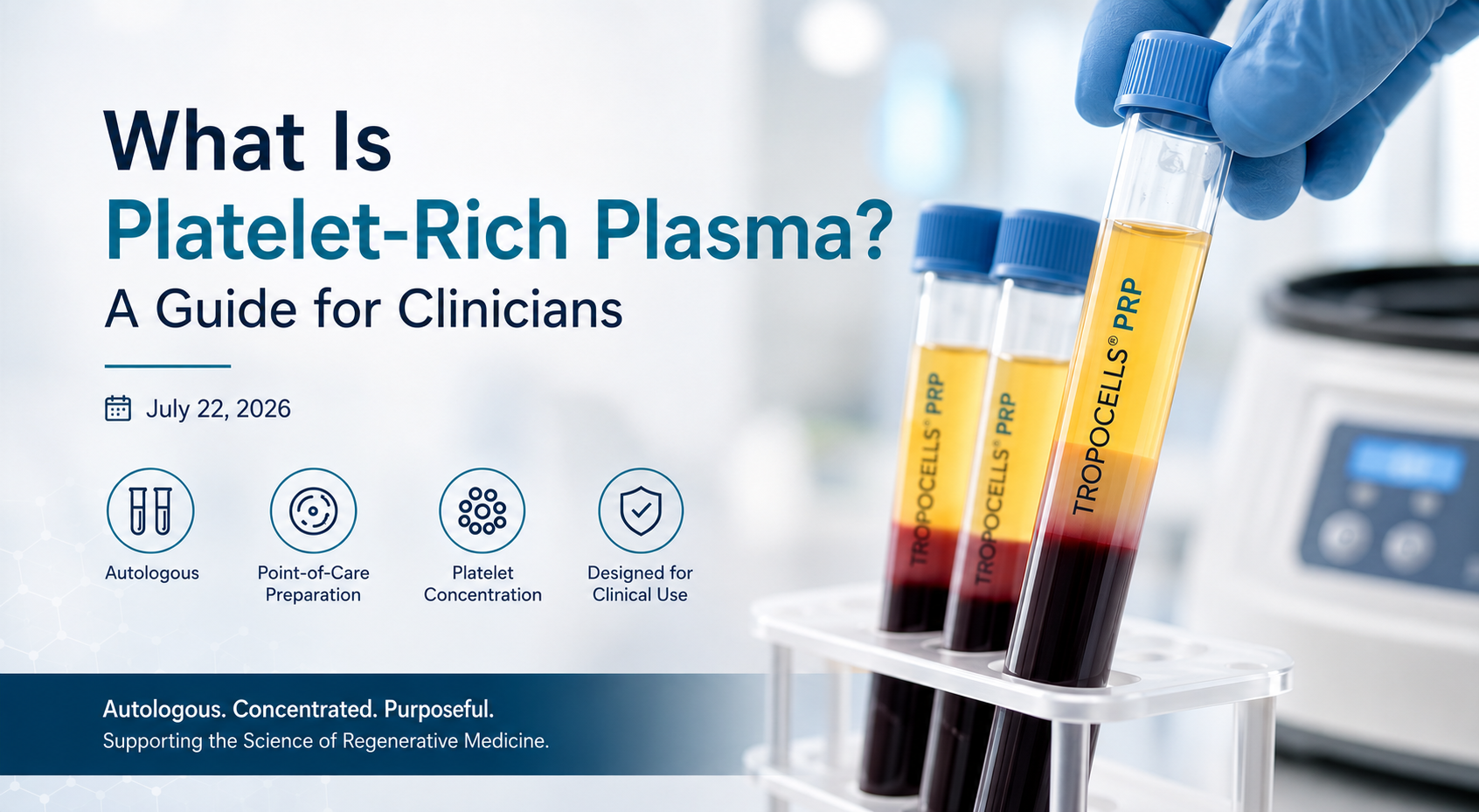
What Is Platelet-Rich Plasma? A Guide for Clinicians Publish date: July 22, 2026 Introduction: Why PRP Understanding Matters Platelet-rich plasma, or PRP, is a point-of-care preparation derived from a patient’s own blood. Because it is autologous, PRP has drawn steady clinical interest across orthopedics, sports medicine, and aesthetics. However, before adopting PRP into practice, physicians…
Posted on | Industry Update
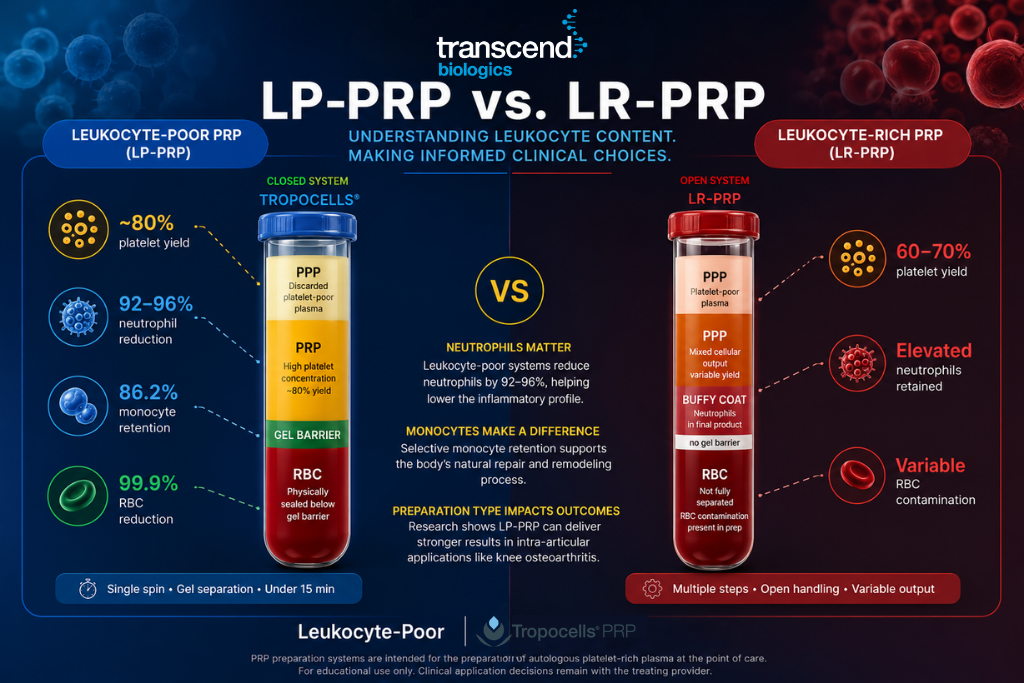
Introduction: Why Leukocyte Content Matters in PRP Understanding leukocyte-poor PRP — and how it differs from leukocyte-rich PRP — is one of the most clinically useful distinctions a practice can make when choosing a preparation system. While many clinicians focus on platelet yield and preparation time, the white blood cell profile of a PRP preparation…
Posted on | PRP Education & Treatment
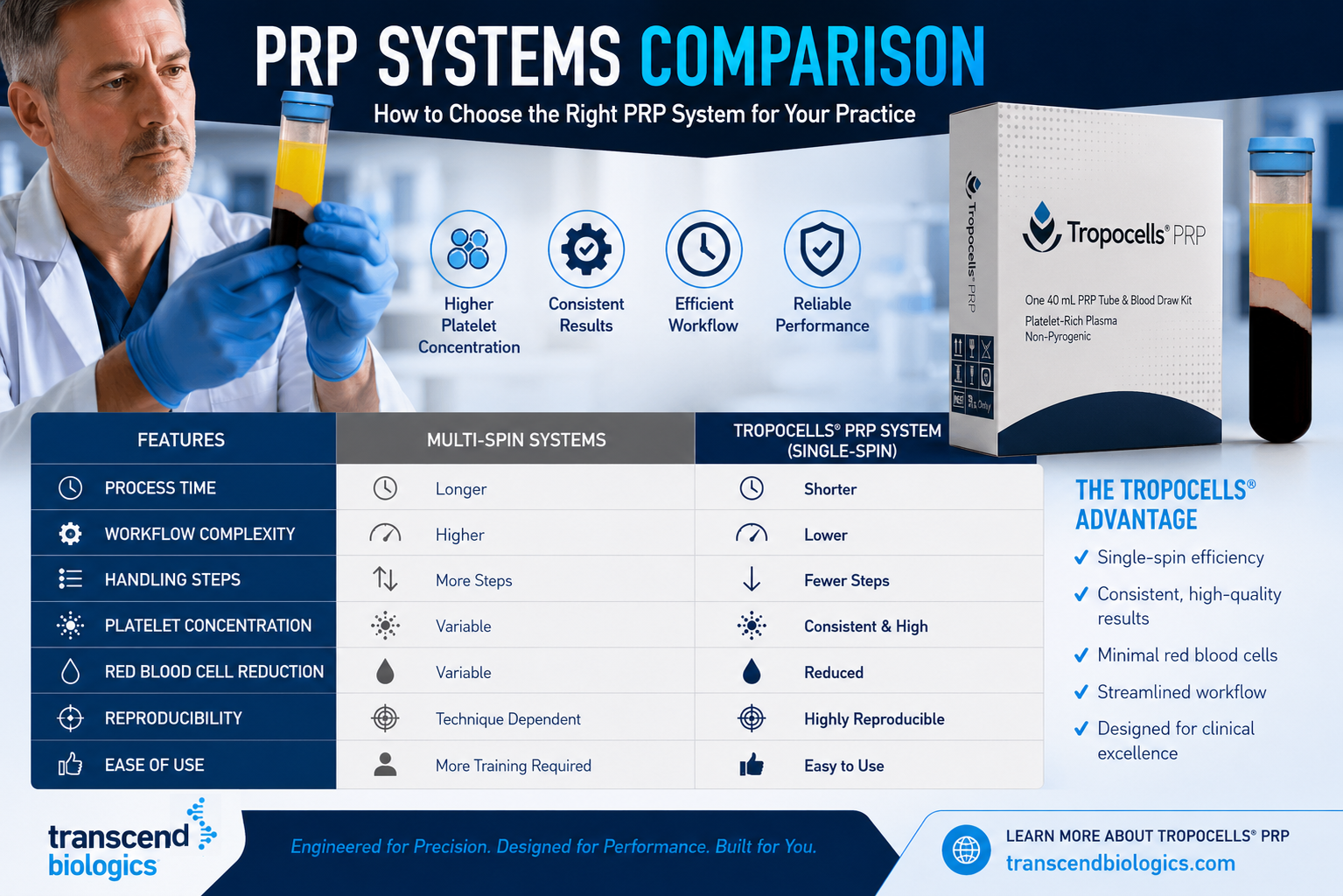
Introduction: Single-Spin vs Dual-Spin PRP Methods Single-spin vs dual-spin PRP preparation is an important topic for physicians evaluating platelet-rich plasma systems. Today, practices compare preparation methods to improve efficiency, simplify training, and support consistent workflows. As a result, understanding the differences between these approaches can help clinicians make informed decisions. What Is Platelet-Rich Plasma (PRP)?…