Blog posts by Category: PRP Education & Treatment

Posted on | Industry Update
PRP Insurance and Coding: Key Considerations for Practices Publish date: October 7, 2026 Introduction: Why Coverage Questions Come First PRP insurance and coding questions come up early for almost every practice that considers platelet-rich plasma. Coverage rules differ by payer, by indication, and by state, so a clear view of the landscape helps a practice…
Posted on | Physician Perspectives
As Major League Baseball heads into the final stretch of its regular season, one name feels especially present this year: Tommy John. His story is one of the most consequential in baseball and in sports medicine. It began with an injury that could have ended a career, and it became a turning point in what…
Posted on | Uncategorized
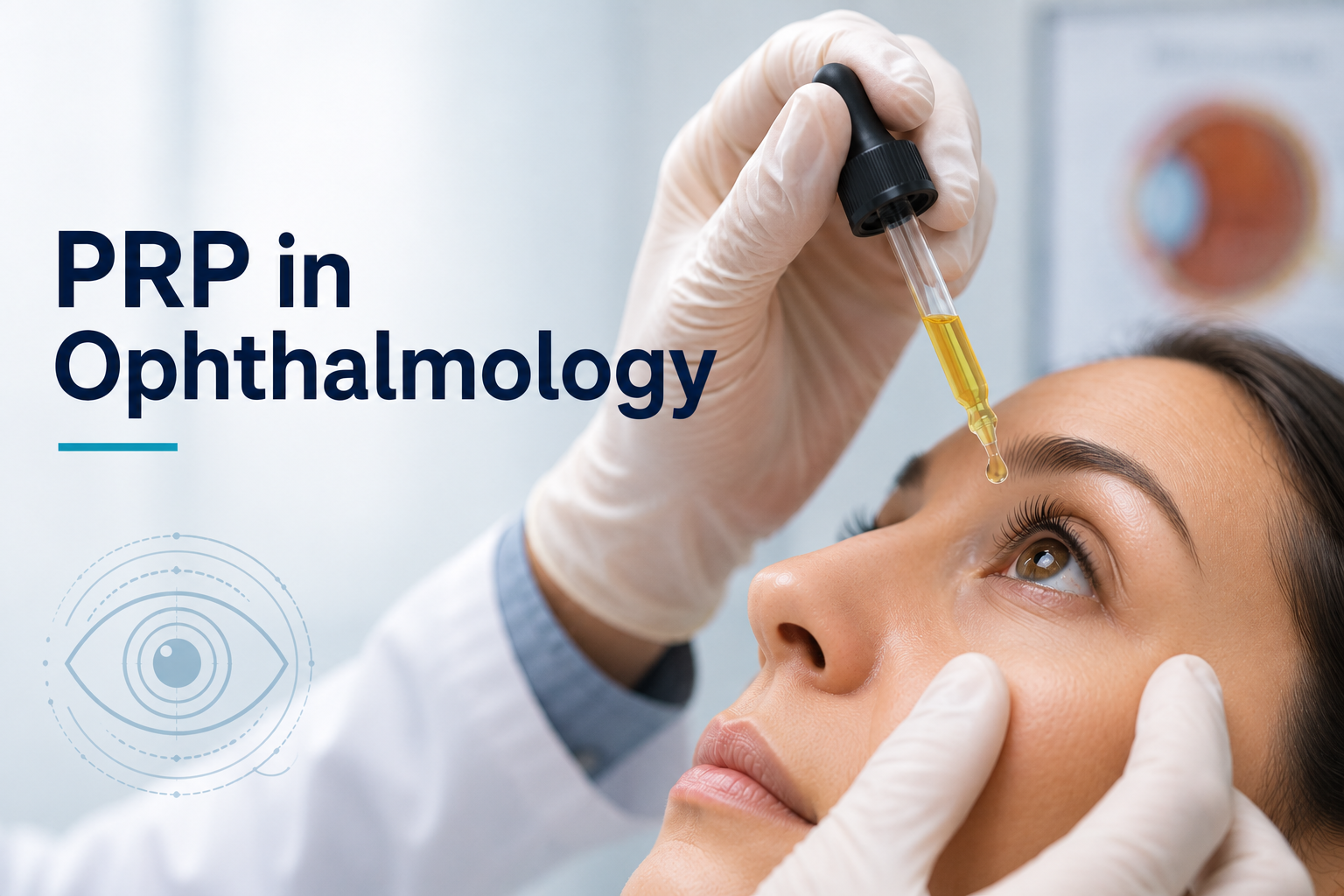
PRP in Ophthalmology: An Emerging Area of Study Publish date: September 2, 2026 Introduction: A New Frontier for PRP PRP in ophthalmology has become a growing area of study over the past several years. The eye’s surface heals in a delicate, highly specialized environment, so researchers have started to ask whether platelet-rich plasma’s concentrated growth…

Posted on | Patient Health
PRP in Dental and Oral Surgery: An Emerging Application Publish date: July 29, 2026 Introduction: A Growing Area of Interest PRP dental and oral surgery applications have drawn growing interest from providers in recent years. Oral tissue heals inside a highly vascular, biologically active site, so practitioners have started to ask a simple question: can…
Posted on | Industry Update
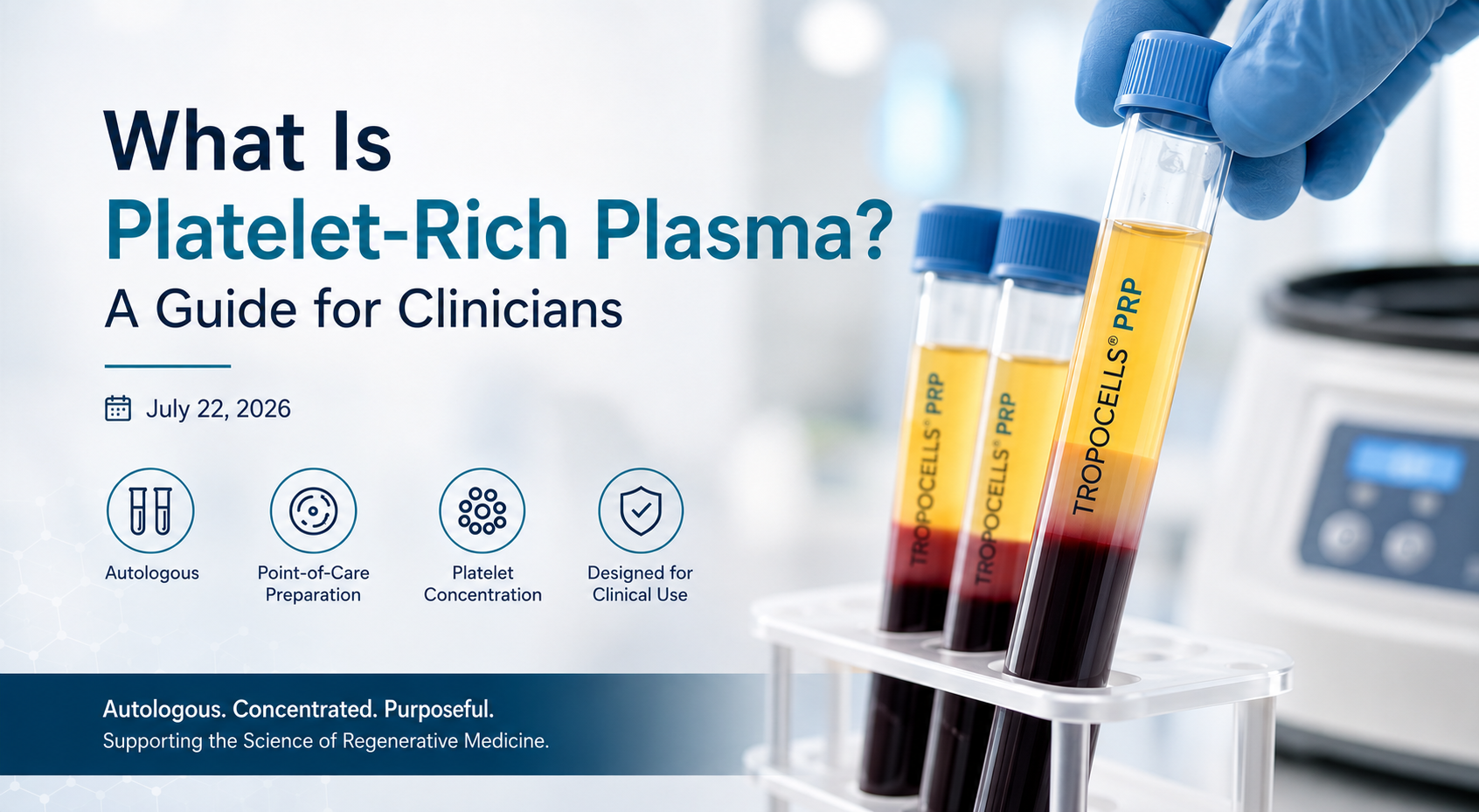
What Is Platelet-Rich Plasma? A Guide for Clinicians Publish date: July 22, 2026 Introduction: Why PRP Understanding Matters Platelet-rich plasma, or PRP, is a point-of-care preparation derived from a patient’s own blood. Because it is autologous, PRP has drawn steady clinical interest across orthopedics, sports medicine, and aesthetics. However, before adopting PRP into practice, physicians…
Posted on | Physician Perspectives
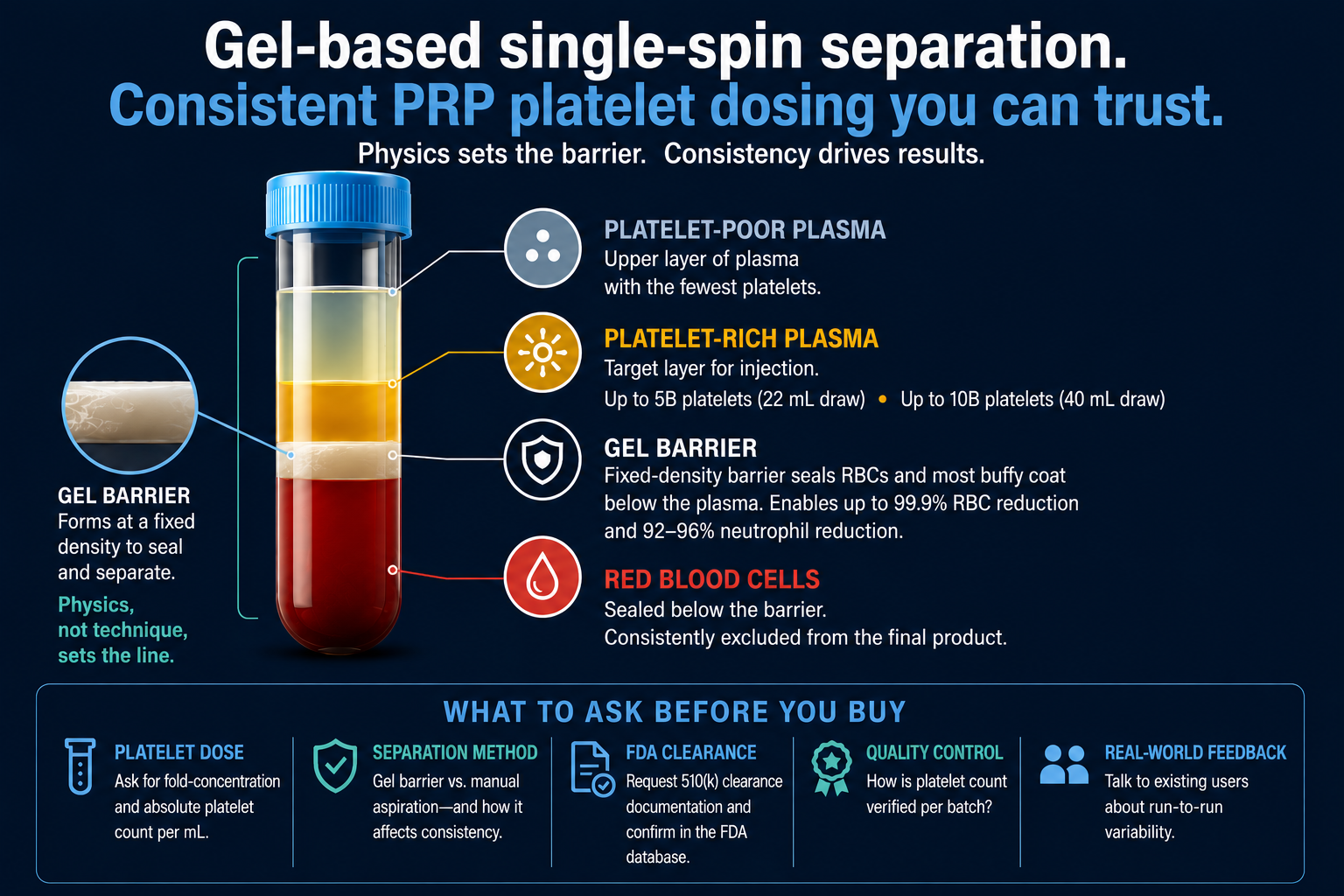
Why Platelet Dosing (Not Just “PRP”) Should Drive Your System Purchase Decision Have you evaluated more than one PRP system? If so, you’ve probably noticed something frustrating. Every manufacturer calls their platelet-rich plasma “concentrated,” “pure,” and “optimized.” Almost none of them tell you the actual PRP platelet dosing their system delivers. Fewer still tell you…