Blog posts by Category: Sports Medicine
Posted on | Physician Perspectives
As Major League Baseball heads into the final stretch of its regular season, one name feels especially present this year: Tommy John. His story is one of the most consequential in baseball and in sports medicine. It began with an injury that could have ended a career, and it became a turning point in what…
Posted on | Industry Update
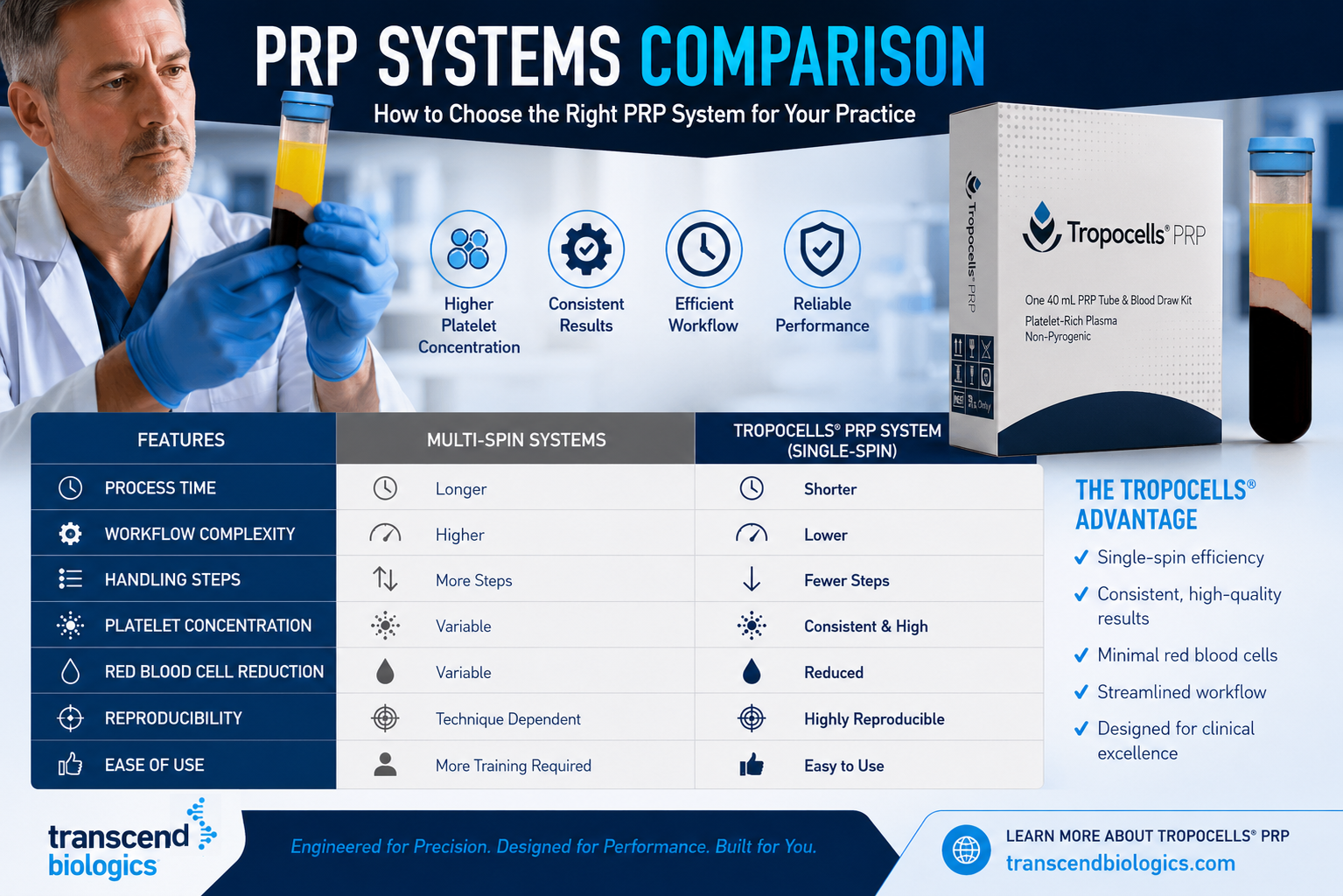
Introduction: Why PRP System Comparison Matters A PRP systems comparison is important when physicians evaluate platelet-rich plasma technology. As more systems enter the market, differences between them become clearer. Therefore, clinicians benefit from understanding how these systems vary before making a decision. Furthermore, because PRP is prepared at the point of care, system design directly…

Posted on | Physician Perspectives
Introduction: Why PRP Protocols Matter PRP protocol standardization is becoming a key focus as clinicians evaluate platelet-rich plasma in clinical practice. While interest in PRP continues to grow, outcomes can vary. Therefore, many physicians now look closely at how preparation methods influence consistency. Because PRP is prepared at the point of care, small changes in…
Posted on | PRP Education & Treatment
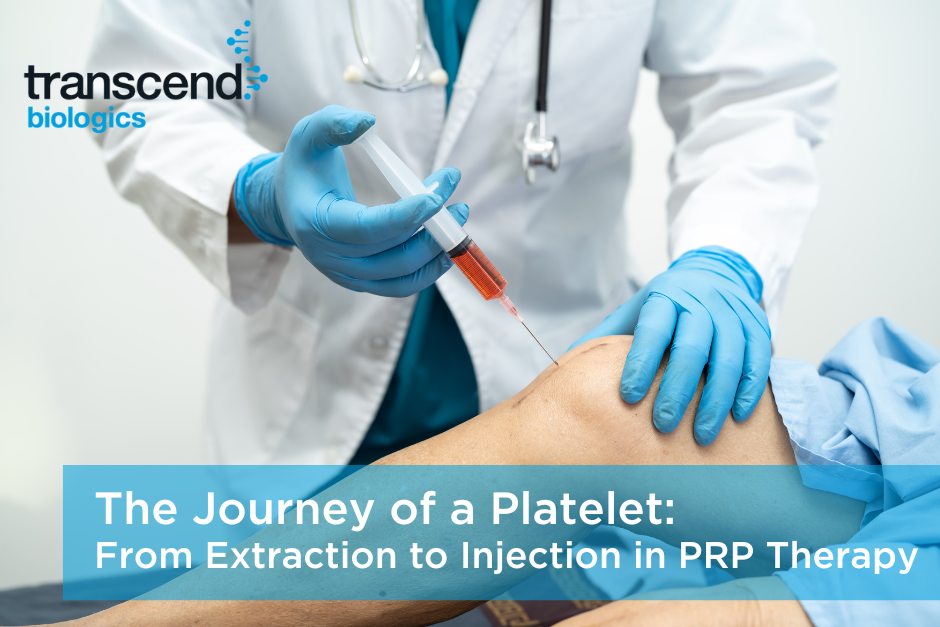
Platelet-rich plasma (PRP) preparation has become an important topic in orthopedic, sports medicine, and veterinary practices. As interest in biologic technologies grows, many clinicians want to better understand how PRP preparation systems work. The process begins with a simple blood draw. Next, clinicians use centrifugation technology to separate the blood components. Finally, they collect the…
Posted on | Sports Medicine
Understanding Tissue Breakdown and Tissue Repair In musculoskeletal medicine, physicians frequently treat tendon injuries, ligament strain, joint degeneration, and other soft-tissue disorders. To understand these conditions, clinicians must first understand two key biological processes: catabolism and anabolism. These processes explain how the body responds to injury and tissue stress. Catabolic processes break down damaged tissue….

Posted on | Physician Perspectives
Enhancing Practice Growth: Cash-Pay Procedures Physicians Are Adding in 2026 As healthcare reimbursement continues to evolve, many physicians are evaluating cash-pay services as a way to diversify revenue while expanding patient care offerings. These services are typically not reimbursed by traditional insurance but are offered directly to patients seeking specialized or elective care. Cash-pay services…