Introduction: Understanding the PRP Buyer’s Journey
The PRP buyer’s journey describes how physicians evaluate, compare, and ultimately select a platelet-rich plasma (PRP) system. As interest in biologics grows, many clinicians move through a structured decision process before adopting PRP.
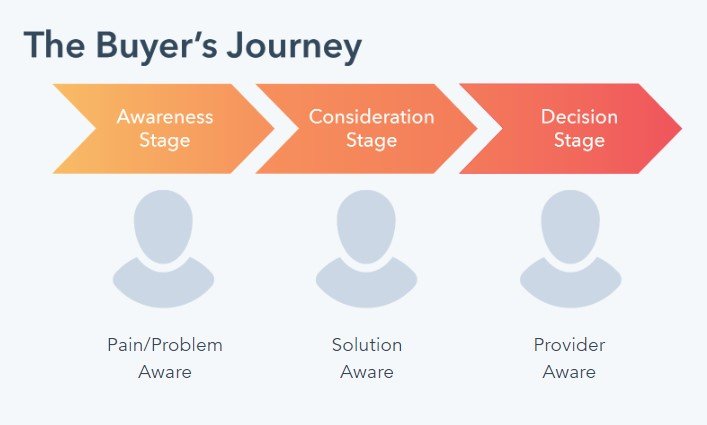
Typically, this journey includes three stages: awareness, consideration, and decision. Therefore, understanding each phase helps practices make more informed choices.
Stage 1: Awareness in the PRP Buyer’s Journey
At the awareness stage, physicians first recognize a need. For example, they may look for non-surgical options to support musculoskeletal care or expand services.
Example: Dr. Smith (Orthopedic Physician)
Dr. Smith begins hearing about PRP from colleagues and conferences. In addition, patients ask about biologic treatments. As a result, he starts researching PRP preparation and clinical applications.
At this stage, his focus is on:
- understanding how PRP works
- reviewing basic science
- exploring potential use cases
👉 Learn more about PRP basics:
https://transcendbiologics.com/what-is-prp
Because of this early research, Dr. Smith moves into deeper evaluation.
Stage 2: Consideration in the PRP Buyer’s Journey
During the consideration stage, physicians compare different PRP systems and approaches. They evaluate both clinical and operational factors.
Example: Dr. Smith Evaluates Options
Dr. Smith reviews several PRP systems. However, he quickly notices that not all systems produce the same output.
He begins comparing:
- platelet concentration levels
- leukocyte profiles
- red blood cell reduction
- workflow complexity
- cost per procedure
In addition, he studies how preparation methods affect consistency.
👉 Reference on PRP variability:
https://www.ncbi.nlm.nih.gov/pmc/articles/PMC8673679/
Because of these differences, Dr. Smith realizes that system design plays a major role in outcomes.
Stage 3: Decision in the PRP Buyer’s Journey
At the decision stage, physicians select a system that aligns with their clinical goals and workflow.
Example: Why Dr. Smith Chose Tropocells® PRP
After evaluating multiple systems, Dr. Smith prioritizes:
- consistent platelet concentration
- minimal red blood cells
- simple workflow
- in-office efficiency
Because of this, he selects the Tropocells® PRP system.
Key reasons include:
- single-spin preparation process
- controlled separation using gel technology
- predictable workflow for staff
- integration into existing clinical procedures
👉 Explore Tropocells PRP system:
https://transcendbiologics.com/tropocells-prp
As a result, Dr. Smith can implement PRP without adding complexity to his practice.
What Physicians Should Consider in the PRP Buyer’s Journey
Every practice is different. However, most clinicians evaluate similar factors during the PRP buyer’s journey.
Clinical Considerations
- platelet concentration and recovery
- leukocyte composition
- reproducibility
Operational Considerations
- ease of use
- staff training requirements
- procedure time
Business Considerations
- cost per treatment
- patient demand
- service expansion opportunities
Because of this, physicians often balance clinical outcomes with workflow efficiency.
How the PRP Buyer’s Journey Impacts Practice Growth
PRP is not just a clinical decision. It is also a strategic one. When implemented correctly, PRP can support practice differentiation and service expansion.
For example, physicians may:
- attract new patient populations
- offer non-surgical options
- expand treatment offerings
👉 Learn how to add PRP to your practice:
https://transcendbiologics.com/add-prp-to-your-practice
Therefore, the PRP buyer’s journey often leads to both clinical and operational changes.
Conclusion: Navigating the PRP Buyer’s Journey
The PRP buyer’s journey helps physicians move from initial awareness to confident decision-making.
To summarize:
- awareness builds understanding
- consideration compares systems
- decision aligns clinical and workflow goals
Because PRP systems vary, selecting the right technology is essential. As a result, many clinicians prioritize consistency, simplicity, and integration when choosing a system.
Regulatory Notice
PRP preparation systems are intended for the preparation of autologous platelet-rich plasma. Clinical use is determined by the treating provider.