Blog posts by Category: PRP Education & Treatment
Posted on | Industry Update
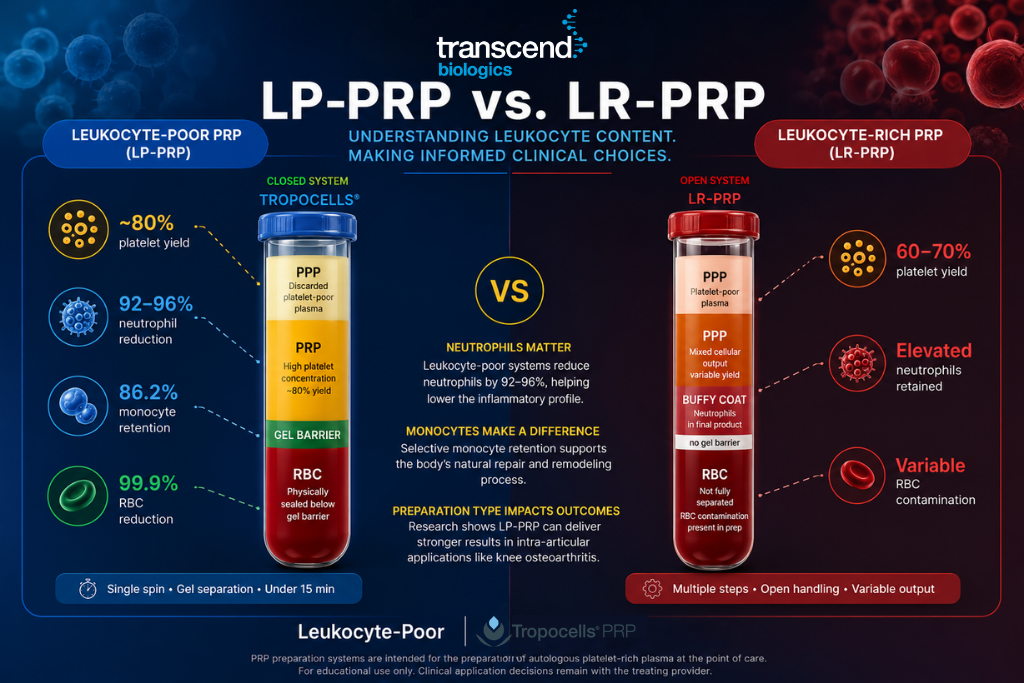
Introduction: Why Leukocyte Content Matters in PRP Understanding leukocyte-poor PRP — and how it differs from leukocyte-rich PRP — is one of the most clinically useful distinctions a practice can make when choosing a preparation system. While many clinicians focus on platelet yield and preparation time, the white blood cell profile of a PRP preparation…
Posted on | PRP Education & Treatment
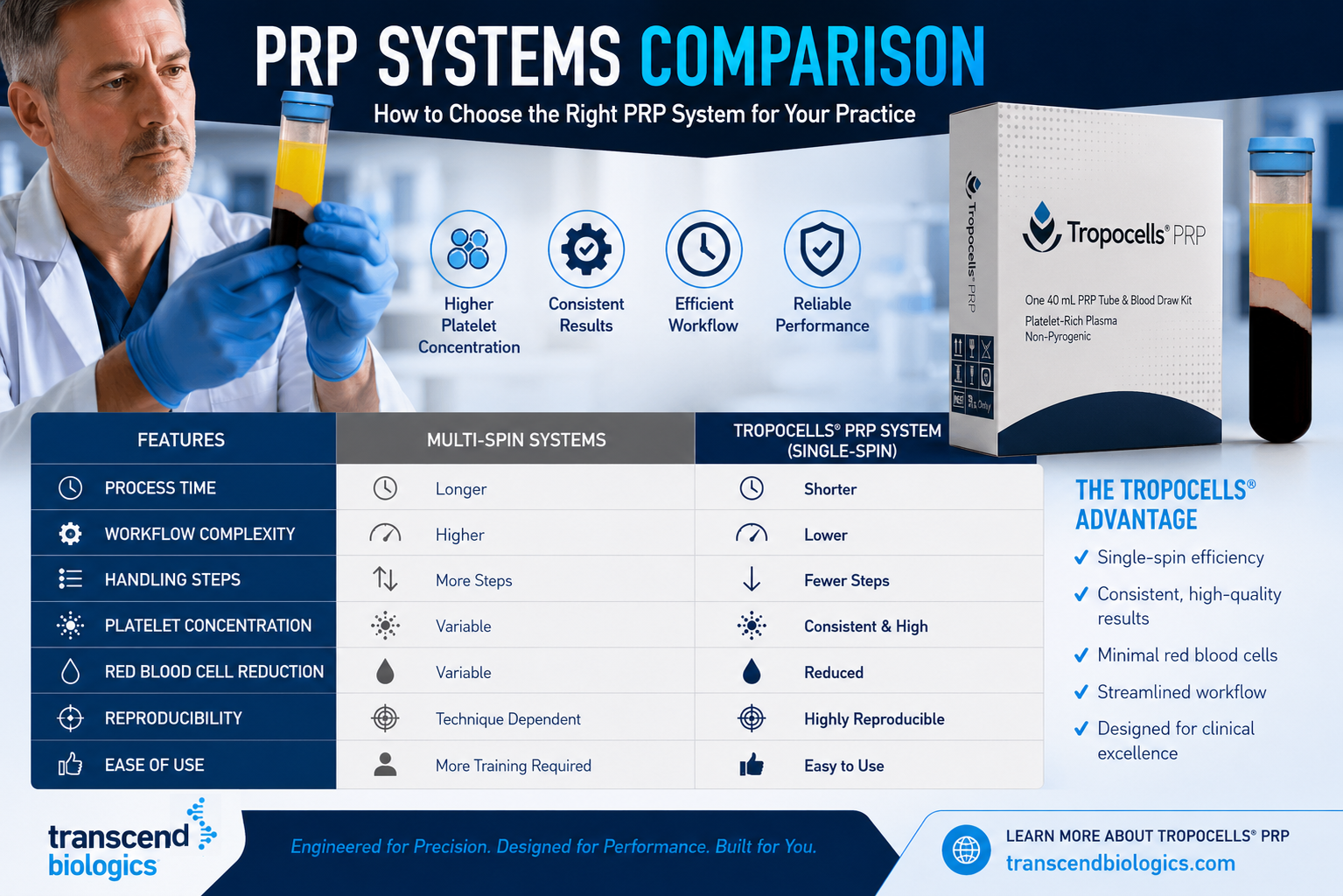
Introduction: Single-Spin vs Dual-Spin PRP Methods Single-spin vs dual-spin PRP preparation is an important topic for physicians evaluating platelet-rich plasma systems. Today, practices compare preparation methods to improve efficiency, simplify training, and support consistent workflows. As a result, understanding the differences between these approaches can help clinicians make informed decisions. What Is Platelet-Rich Plasma (PRP)?…
Posted on | Industry Update
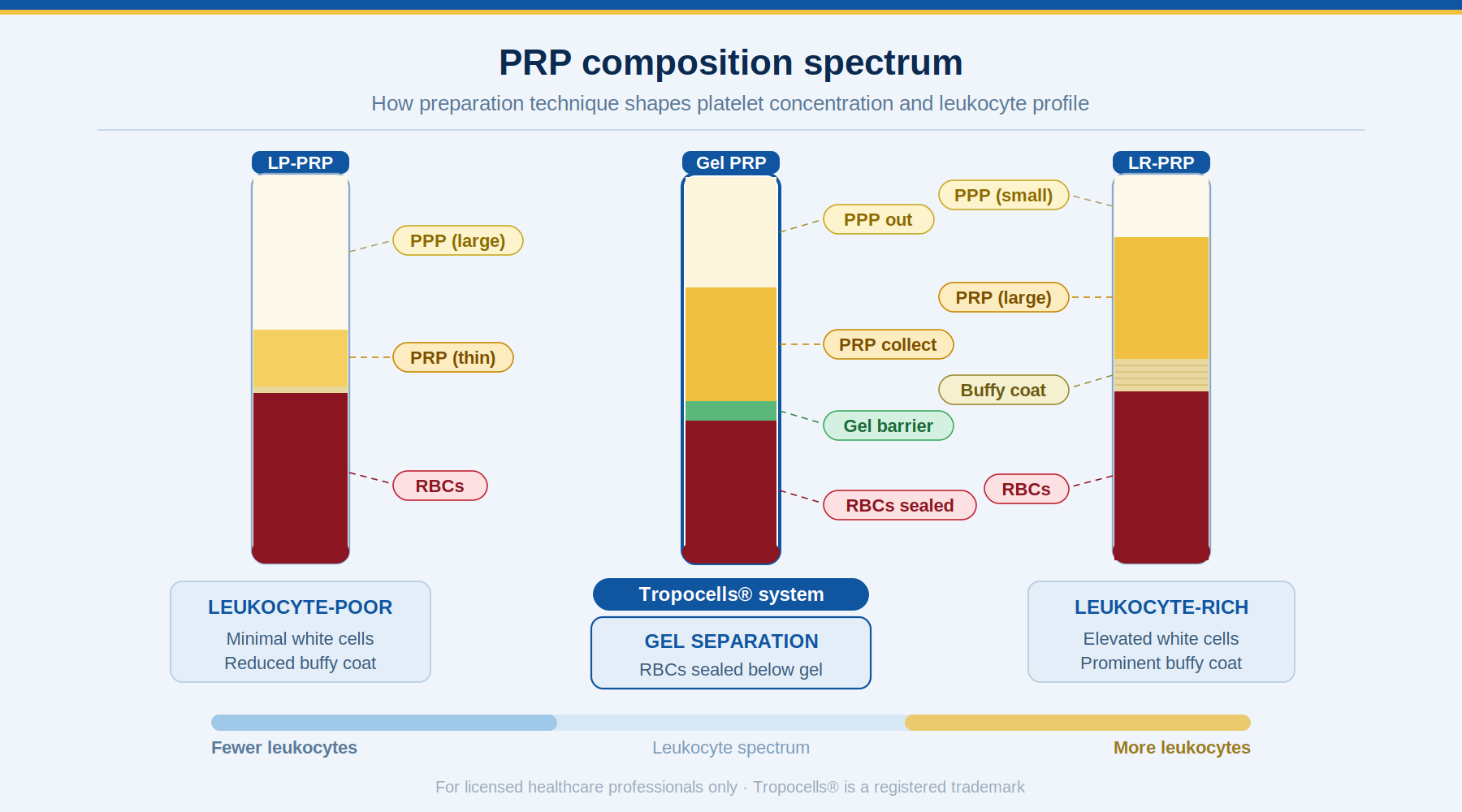
How PRP Preparation Technique Affects Clinical Outcomes: What Physicians Need to Know PRP preparation technique is one of the most overlooked variables in platelet-rich plasma procedures. Physicians often focus on patient selection and injection protocols, but how a practice prepares PRP can strongly shape the final product. Therefore, every practice offering PRP services benefits from…

Posted on | In the News
Introduction: Understanding PRP Cost Per Injection PRP cost per injection is one of the most important factors physicians evaluate when considering platelet-rich plasma in clinical practice. While PRP technology continues to gain attention, the financial structure behind each treatment plays a major role in long-term success. Because PRP is typically a cash-pay service, understanding cost…
Posted on | Industry Update
Introduction: Why PRP System Comparison Matters A PRP systems comparison is important when physicians evaluate platelet-rich plasma technology. As more systems enter the market, differences between them become clearer. Therefore, clinicians benefit from understanding how these systems vary before making a decision. Furthermore, because PRP is prepared at the point of care, system design directly…
Posted on | Uncategorized
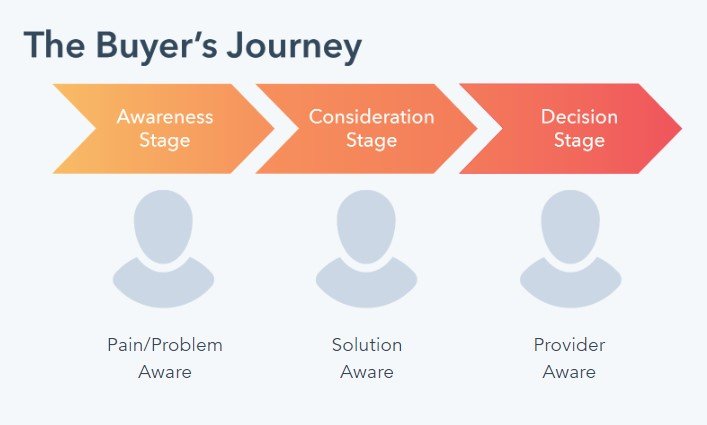
Introduction: Understanding the PRP Buyer’s Journey The PRP buyer’s journey describes how physicians evaluate, compare, and ultimately select a platelet-rich plasma (PRP) system. As interest in biologics grows, many clinicians move through a structured decision process before adopting PRP. Typically, this journey includes three stages: awareness, consideration, and decision. Therefore, understanding each phase helps practices…