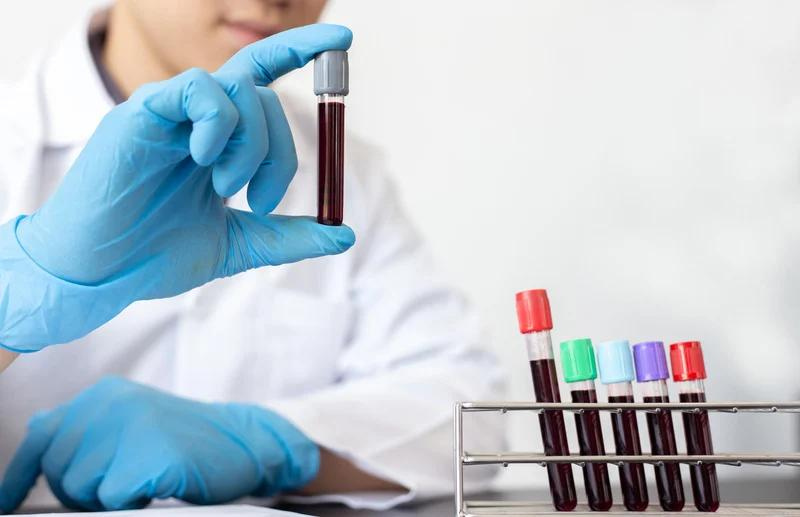
Introduction: Why PRP Preparation Quality Matters
Platelet-rich plasma (PRP) preparation is now common across many specialties. For example, physicians use PRP preparation systems in orthopedics, sports medicine, pain management, dermatology, and podiatry.
As interest grows, clinicians are asking an important question. Does PRP preparation quality vary between systems?
The answer is yes.
Although the process seems simple, platelet-rich plasma preparation systems can produce very different results. Therefore, clinicians now focus more on how PRP is prepared—not just how it is used.
What Is Platelet-Rich Plasma (PRP)?
Platelet-rich plasma is an autologous biologic preparation. Clinicians create it from a patient’s own blood using a centrifuge.
During this process, the system separates blood into layers. Then it concentrates platelets within the plasma.
Typical PRP preparation workflow
Step 1 — Blood Collection
First, the clinician collects a small blood sample using sterile components.
Step 2 — Centrifugation
Next, the sample spins in a centrifuge. This separates:
• red blood cells
• plasma
• platelet fractions
Step 3 — Platelet Concentration
Then, the system isolates plasma with a higher platelet concentration.
Step 4 — PRP Preparation
Finally, the clinician prepares the platelet-rich plasma according to the Instructions for Use.
Because each PRP preparation system uses a different design, results may vary.
Why PRP Preparation Systems Produce Different Results
Not all PRP preparation systems use the same method. In fact, systems differ in centrifugation speed, separation design, and workflow.
As a result, platelet-rich plasma preparation can vary across systems.
Key variables include:
Platelet Recovery
Platelet recovery refers to how many platelets the system captures during preparation.
Higher recovery may support a higher platelet dose. However, recovery depends on system design and protocol.
Platelet Concentration
Platelet concentration describes how much the system increases platelet levels compared to baseline blood.
Most systems report this as a multiple (for example, 2× or 4× baseline).
However, different PRP preparation systems may produce different concentration levels.
Cellular Composition
PRP may contain different cell types depending on the system.
These may include:
• red blood cells (RBCs)
• white blood cells (WBCs)
• mononuclear cells
• granulocytes
Therefore, the cellular profile of platelet-rich plasma preparation can vary significantly.
PRP Volume Output
PRP systems also differ in output volume.
Some systems produce small volumes. Others offer multiple kit sizes for different workflows.
Because of this, clinicians often match the PRP preparation system to their clinical needs.
What Physicians Look for in a PRP Preparation System
When evaluating a PRP preparation system, physicians often review several factors.
Common evaluation criteria include:
• platelet recovery efficiency
• platelet concentration levels
• red blood cell reduction
• reproducibility of centrifugation protocols
• sterility of preparation kits
• ease of use in clinical workflow
Together, these factors influence consistency in platelet-rich plasma preparation.
Advances in PRP Preparation Technology
PRP technology continues to evolve. As a result, newer systems aim to improve consistency and workflow.
For example, many modern PRP preparation systems now support:
• consistent platelet separation
• controlled cellular composition
• reproducible centrifugation protocols
• simplified in-office workflows
In addition, some systems use:
• gel separators
• specialized tubes
• proprietary centrifugation protocols
These features help improve standardization in platelet-rich plasma preparation.
PRP Preparation Across Medical Specialties
Today, physicians use platelet-rich plasma preparation systems in many clinical settings.
Common specialties include:
• orthopedic surgery
• sports medicine
• pain management
• podiatry
• dermatology
• aesthetic medicine
• veterinary medicine
Because of this wide use, clinicians continue to compare systems based on performance and workflow.
Why PRP Preparation System Design Matters
As research expands, clinicians focus more on how PRP is prepared.
Even small differences in system design can affect:
• platelet concentration
• cellular composition
• preparation consistency
Therefore, understanding the differences between PRP preparation systems is essential.
Conclusion
Platelet-rich plasma preparation continues to grow across medical specialties.
However, not all PRP preparation systems produce the same results.
Differences in:
• platelet recovery
• cellular composition
• centrifugation protocols
• workflow design
can all influence the final PRP preparation.
For this reason, physicians should evaluate PRP preparation system design and consistency when selecting a technology.
Regulatory Notice
PRP preparation systems are intended for the preparation of autologous platelet-rich plasma.
The clinical use of PRP is determined by the treating physician based on patient evaluation and professional judgment.
Statements regarding biological characteristics reflect published scientific literature and are not intended to imply FDA-cleared indications for specific clinical outcomes.