Blog posts by Category: PRP Education & Treatment
Posted on | Physician Perspectives
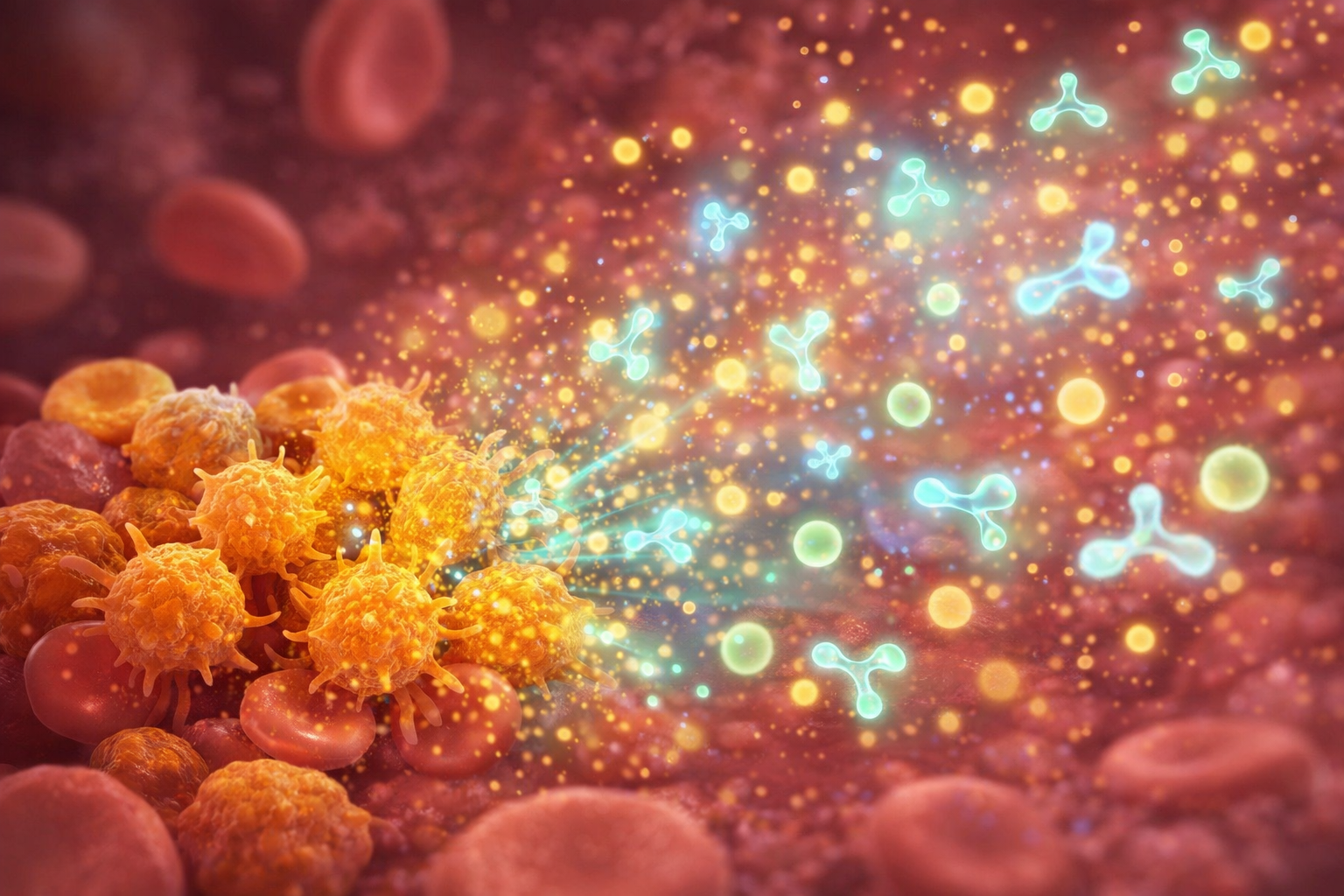
Modern surgery combines technical skill with the body’s own biological repair processes. Even the most precise surgical procedure ultimately depends on the patient’s natural ability to repair tissue. Because of this, many surgeons and clinicians are studying autologous biologic preparations that originate from the patient’s own blood. One of the most widely discussed technologies in…
Posted on | Industry Update
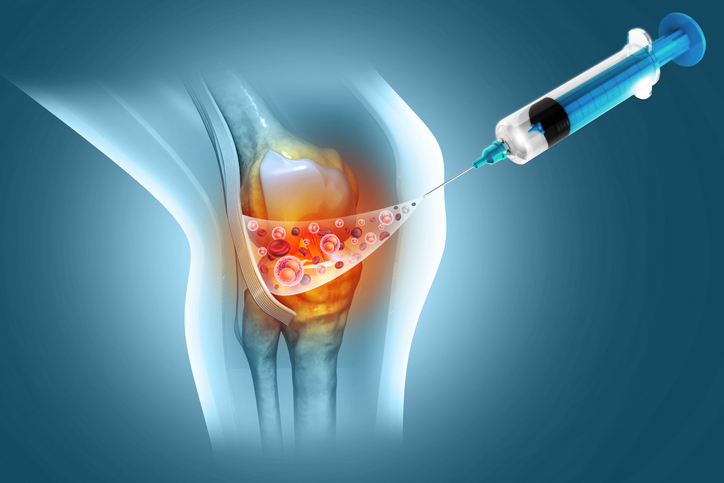
Corticosteroid injections have been used for decades in musculoskeletal medicine to help manage inflammation and joint-related symptoms. Physicians commonly use these injections in orthopedic clinics, sports medicine practices, and pain management settings. Because clinicians can administer corticosteroid injections in outpatient environments, they often serve as one option for managing symptoms associated with joint or soft-tissue…

Posted on | Patient Health
Summer often brings travel, outdoor activities, and a break from busy schedules. However, it can also provide an ideal opportunity to address ongoing musculoskeletal concerns that many people postpone during the year. In orthopedic and sports medicine practices, physicians frequently evaluate patients who experience joint discomfort, tendon irritation, or soft-tissue injuries related to sports or…

Posted on | Industry Update
Introduction to PRP in Veterinary Medicine Veterinary medicine continues to evolve. In particular, clinicians are exploring biologic technologies that may support normal tissue response and recovery in animals. One area of growing interest is platelet-rich plasma (PRP) preparation. This process uses centrifugation to concentrate platelets from an animal’s own blood. As a result, PRP is…
Posted on | Industry Update
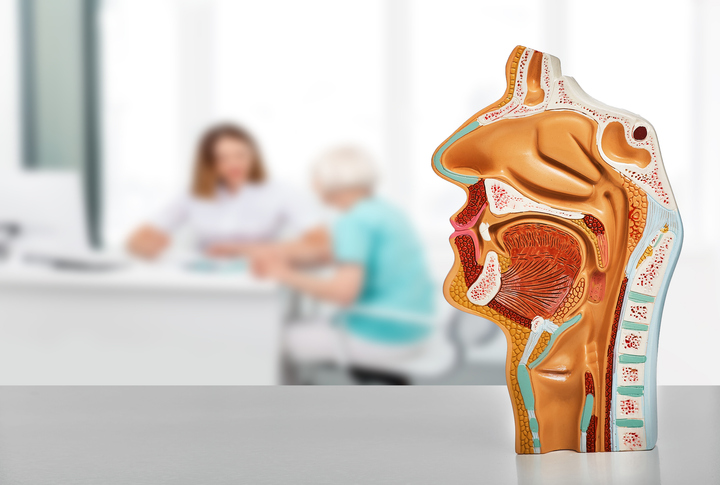
Introduction: PRP in ENT Medicine Otolaryngology, also known as ear, nose, and throat (ENT) medicine, continues to evolve. At the same time, physicians are exploring new technologies that may support tissue response and recovery. One area of growing interest is platelet-rich plasma (PRP) preparation. PRP is created by concentrating platelets from a patient’s own blood…
Posted on | PRP Education & Treatment
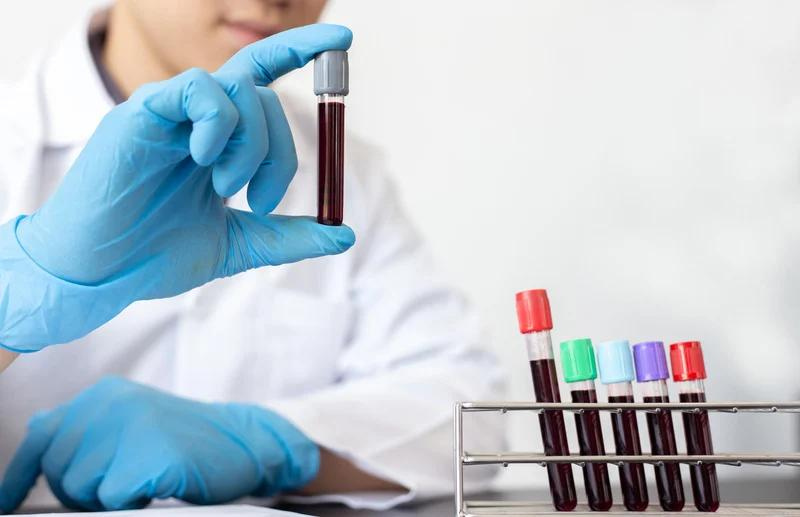
Introduction: Why PRP Preparation Quality Matters Platelet-rich plasma (PRP) preparation is now common across many specialties. For example, physicians use PRP preparation systems in orthopedics, sports medicine, pain management, dermatology, and podiatry. As interest grows, clinicians are asking an important question. Does PRP preparation quality vary between systems? The answer is yes. Although the process…