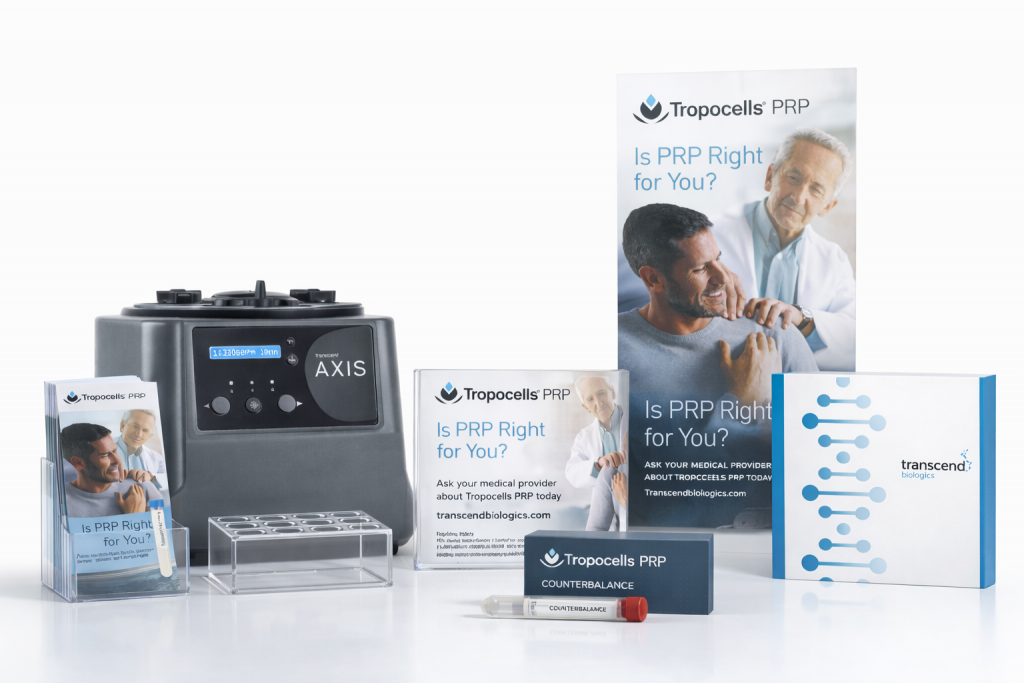
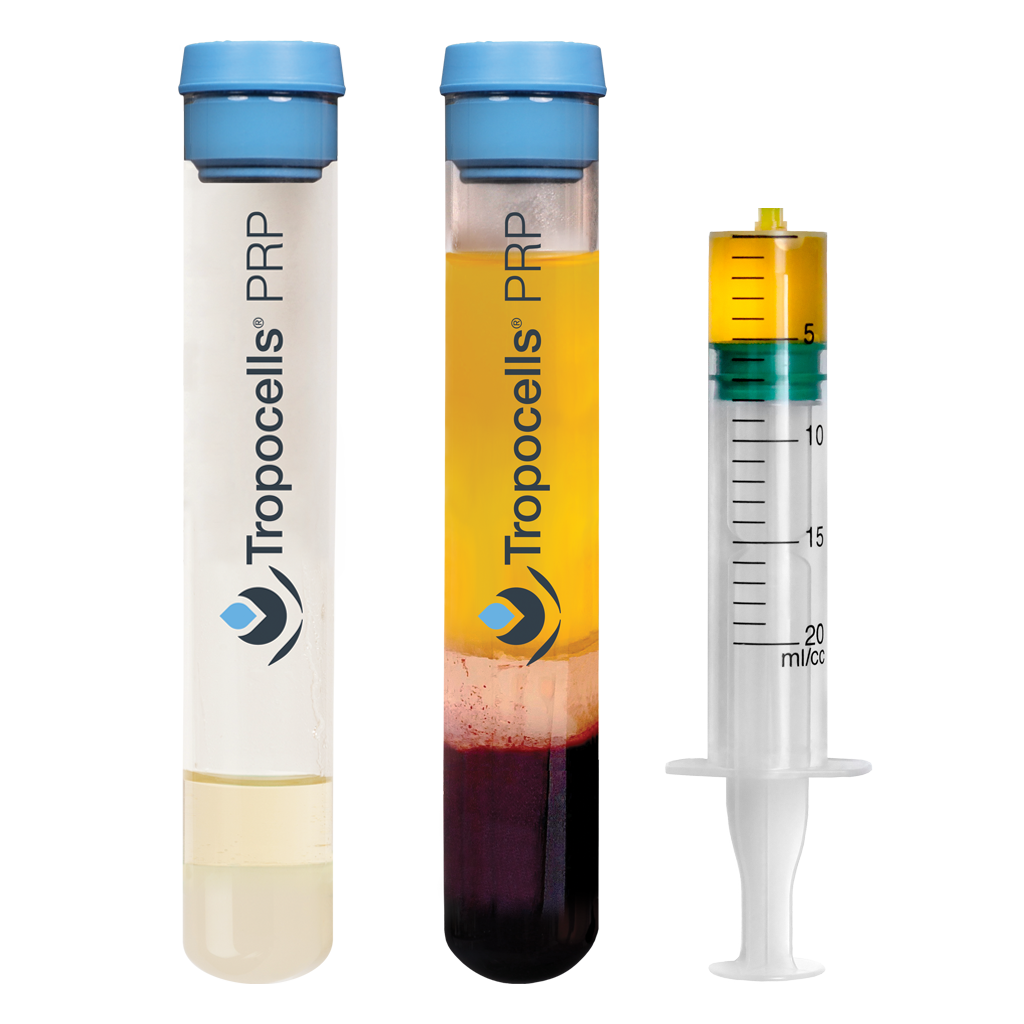
The Tropocells® PRP preparation system helps physicians and clinical teams prepare platelet-rich plasma (PRP) using a simple and consistent workflow.
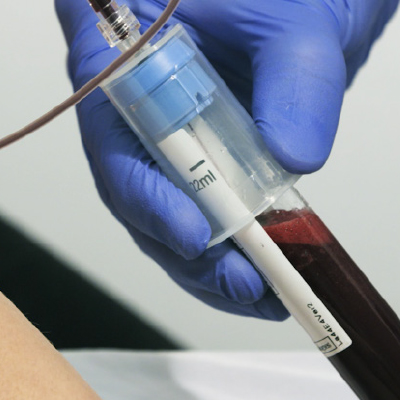
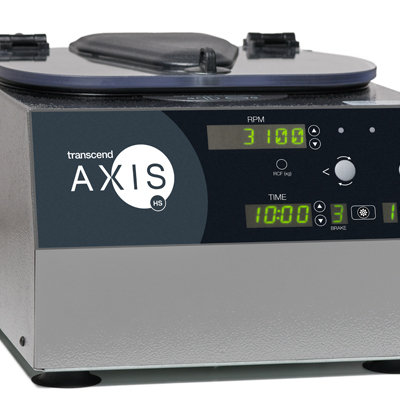
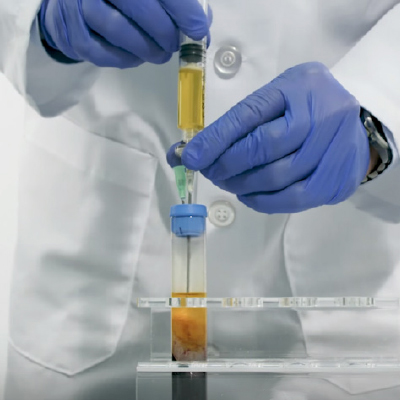
First, clinicians collect a patient blood sample. Next, they process the sample using centrifugation technology. Then the system separates blood components and concentrates platelets within the plasma fraction.
Because PRP comes directly from the patient’s own blood, clinicians refer to it as an autologous biologic preparation.
In addition, the Tropocells® PRP system uses sterile, single-use components and validated centrifugation protocols. As a result, clinicians can prepare platelet-rich plasma directly in their medical practice using a streamlined workflow designed for clinical environments.
Tropocells® PRP preparation systems use engineered components that support reliable platelet separation from whole blood.
Key system features include:
sterile single-use PRP preparation kits
gel separator technology for platelet concentration
proprietary anticoagulant designed for patient comfort
anti-stick glass coating designed to improve platelet capture
point-of-care preparation workflow
Together, these design elements help support a practical and efficient PRP preparation process for clinicians.
Tropocells® PRP System Highlights
The Tropocells® PRP preparation system supports consistent platelet concentration and reproducible clinical workflows.
Key characteristics include:
nearly 0% red blood cells
leukocyte-poor PRP profile
physiologic pH
simple vacuum blood draw
reproducible preparation workflow
consistent performance across procedures
efficient platelet concentration workflow
up to 4.7× platelet concentration in a single spin
Designed for Medical Practice Environments
Healthcare professionals across many specialties evaluate PRP preparation systems for their clinics.
For example, Tropocells® PRP may be used in:
orthopedic practices
sports medicine clinics
pain management centers
regenerative medicine practices
surgical and outpatient medical facilities
Because these clinics already perform injections and blood draws, many teams integrate PRP preparation into their existing workflow.
Simple PRP Preparation Workflow
Collect Patients Blood (11 mL, 22 mL, or 40 mL)
Centrifuge (10 min.)
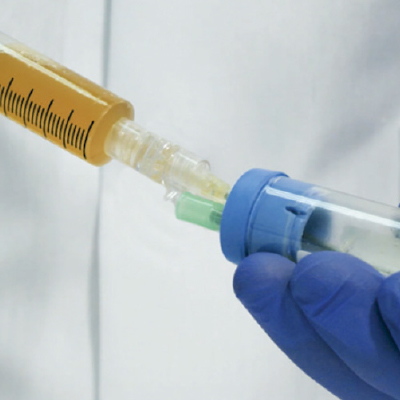
Extract Platelet-Poor Plasma (PPP)
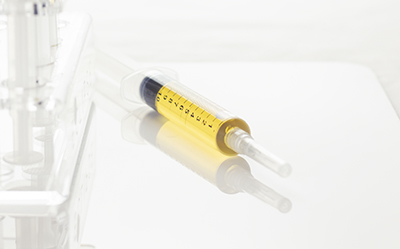
Collect Platelet-Rich Plasma (PRP) and apply
Why Tropocells® PRP
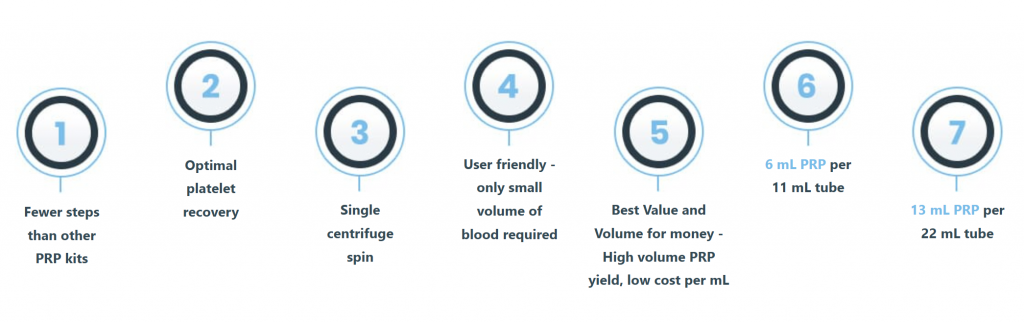
Tropocells® PRP helps clinicians prepare platelet-rich plasma using a consistent centrifugation process.
Key system advantages include:
High Platelet Concentration
80% (+/- 10%) Platelet Yield + customizable concentrations up to 4.5x
Safe & Autologous
FDA Cleared 510(k) Class II Medical Device (BK110035) Non-Pyrogenic – Sterile – Closed System
Monocyte-Dominant profile
System produces PRP in which monocytes outnumber neutrophils
Simple and Predictable Workflow
Small blood draw, single centrifuge spin, reproducible preparation method
Reduced Red Blood Cell Content
Eliminates nearly 100% of red blood cells and 95% of white blood cells
Designed for Patient Comfort
The proprietary MNC7 anticoagulant helps maintain physiologic pH. As a result, clinicians may reduce irritation during injection
Tropocells® PRP System Specifications
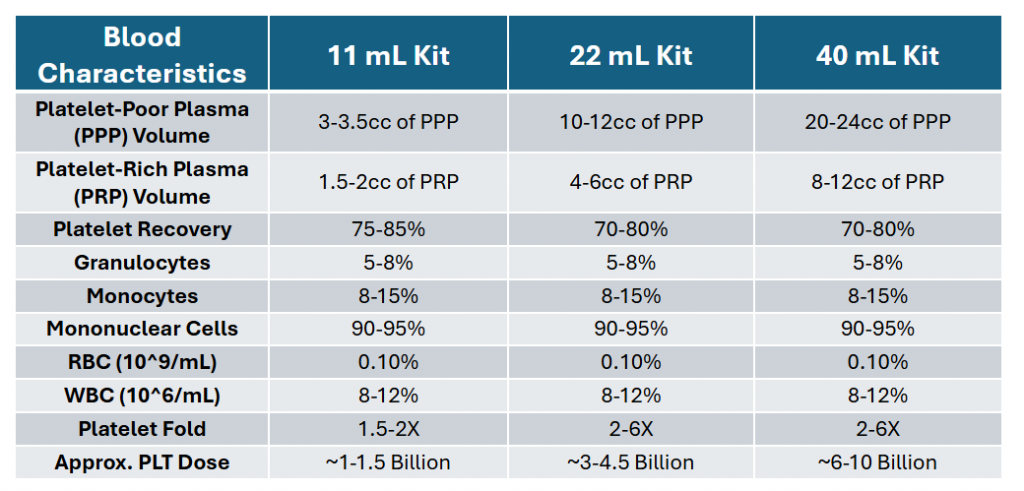
Tropocells® PRP preparation systems support multiple kit sizes. Therefore, clinicians can choose the configuration that fits their workflow and PRP volume needs.
Available kit options include:
11 mL kit – lower-volume PRP preparation
22 mL kit – mid-range PRP preparation
40 mL kit – higher-volume PRP preparation
Each system supports consistent blood component separation using a defined centrifugation workflow.
Safety and Manufacturing Standards
Tropocells® PRP preparation systems are manufactured under controlled quality standards.
Production environments include:
ISO 7 cleanroom manufacturing
critical processes performed in ISO 5 environments
manufacturing facilities that follow ISO 13485 certification standards
FDA-registered production facilities
Independent third-party testing includes:
delayed hypersensitivity testing (GMPT)
cytotoxicity testing by elution
acute systemic toxicity testing
More than 850,000 clinical uses worldwide have been reported since 2013.
Clinicians may request testing documentation through their Transcend Biologics representative.
Precautions
Clinicians should observe the following precautions:
Apply PRP only to the patient from whom the blood was drawn.
Do not store tubes below 0°C, as breakage may occur.
Do not store tubes above 40°C, as gel stability may be affected.
Do not use tubes if foreign matter is present.
Do not use tubes past their expiration date.
Do not re-sterilize or attempt to clean the product.
Do not use products if the Tyvek® package is opened or damaged.
Potential Risks
As with any clinical procedure, potential risks may include:
infection
bleeding
nerve damage
pain
lack of clinical response
Clinicians should follow appropriate medical judgment and product instructions.
.
Regulatory Status
PRP preparation systems are classified as Class II medical devices by the U.S. Food and Drug Administration (FDA).
Products sold in the United States must obtain FDA 510(k) clearance before being marketed for PRP preparation.
Tropocells® PRP is cleared under 510(k) number BK110035.
The system is intended for the preparation of autologous platelet-rich plasma from a small blood sample at the patient point of care.
Clinicians may mix the prepared PRP with autograft or allograft bone prior to application to a bony defect to improve handling characteristics.
Reference:
Beitzel K, Allen D, Apostolakos J, et al. US definitions, current use, and FDA stance on platelet-rich plasma in sports medicine. Journal of Knee Surgery. 2015.
Request Information About Tropocells® PRP
Healthcare professionals who want to learn more about the Tropocells® PRP preparation system can contact Transcend Biologics for product information, technical specifications, and availability.
Our team can also discuss how PRP preparation technology may integrate into medical practice workflows.