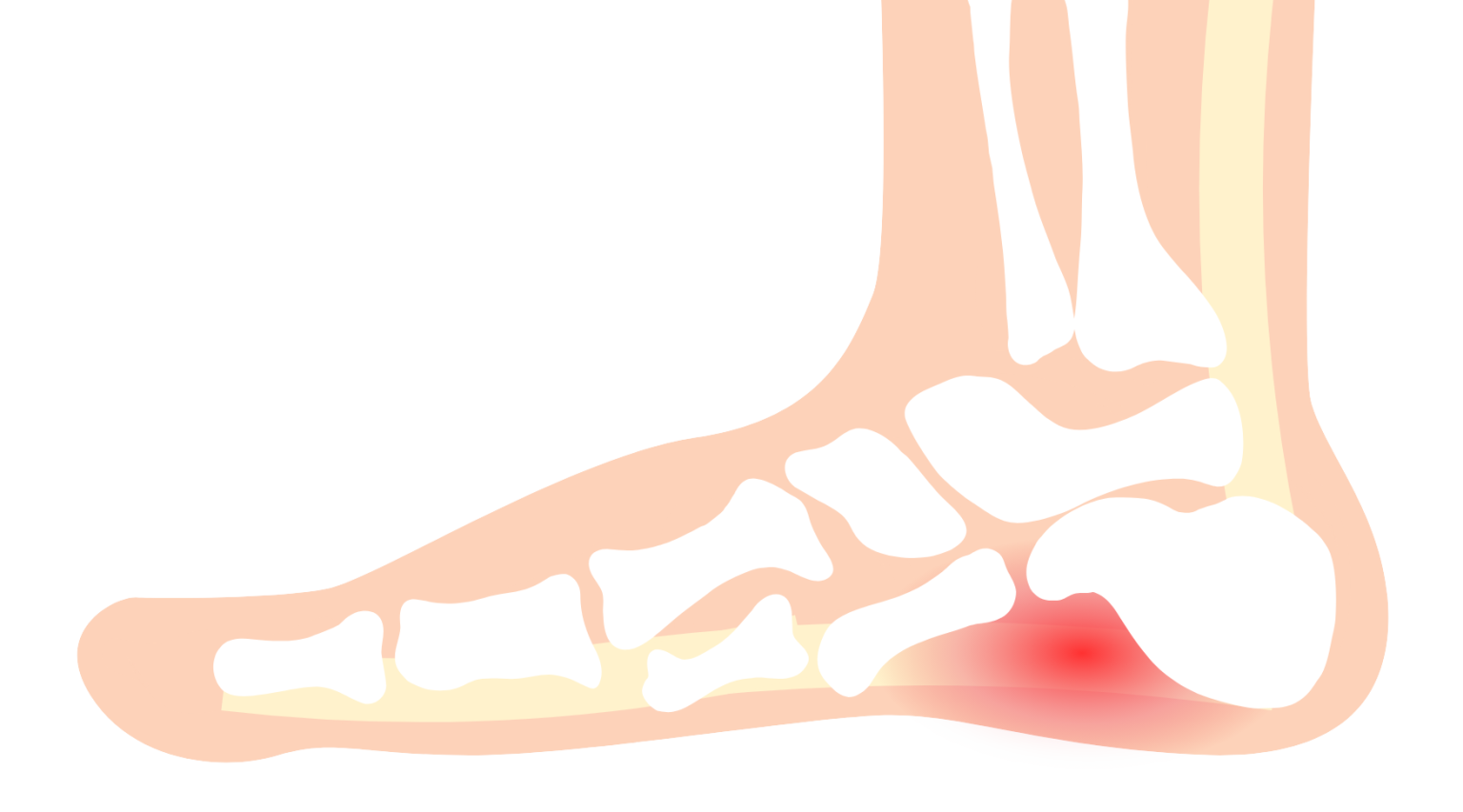
Podiatry continues to advance alongside developments in regenerative medicine, and platelet-rich plasma (PRP) therapy has become a well-established option for managing chronic foot and ankle conditions. Rather than replacing traditional treatment pathways, PRP is increasingly incorporated as a minimally invasive option for patients who have not experienced sufficient improvement with conservative care.
With conditions such as plantar fasciitis affecting millions of adults each year in the United States, clinicians and patients alike are seeking treatment approaches that support tissue healing rather than focusing solely on short-term symptom relief. As a result, interest in biologic therapies such as PRP continues to expand within podiatric practice.
What Is PRP Therapy?
PRP therapy begins with a standard blood draw from the patient. The blood is then processed using a centrifuge to concentrate platelets, which are subsequently reintroduced into the area of injury.
Platelets play a key role in the body’s natural healing response by releasing growth factors that help regulate inflammation, cellular signaling, and tissue repair. Delivering a concentrated platelet solution directly to the affected tissue is intended to support and enhance the body’s inherent regenerative processes, particularly in chronic conditions where healing has slowed or plateaued.
PRP in Podiatry: Comparison With Traditional Treatment Options
PRP has been utilized in foot and ankle care for more than two decades, most commonly in the management of chronic conditions such as plantar fasciitis, Achilles tendinopathy, and select ligament or soft-tissue injuries.
Clinical literature suggests PRP may provide advantages over corticosteroid injections for certain patients, particularly with respect to longer-term pain relief and functional improvement. While corticosteroids can offer rapid symptom reduction, their effects are often temporary. PRP, by contrast, is intended to support tissue recovery over time rather than simply suppress inflammation.
Because PRP is minimally invasive and performed in an outpatient setting, it may also help patients delay or avoid surgical intervention. Most procedures are completed during a single visit and generally involve less downtime than operative treatments.
Treatment Process and Patient Considerations
Treatment protocols vary depending on diagnosis, symptom severity, and clinician judgment. Many podiatrists recommend a series of PRP injections, often up to three treatments over several months, to support optimal outcomes.
Post-injection recommendations may include activity modification, temporary off-loading such as the use of a walking boot, and a gradual return to normal activity. Since PRP is autologous and derived from the patient’s own blood, adverse reactions are uncommon. Some patients may experience temporary soreness or localized inflammation following injection, which is generally considered part of the expected healing response.
As with any medical intervention, appropriate patient selection and thorough clinical evaluation are essential to minimize risk and maximize potential benefit.
Why PRP Preparation Matters
As PRP use continues to expand, increasing attention is being placed on how PRP is prepared, not just where it is administered. Platelet concentration, consistency, and system design can influence both treatment reliability and clinical workflow.
Tropocells® PRP systems are designed to support these clinical priorities through features such as closed-system processing, consistent platelet separation, multiple volume options to accommodate different practice needs, and efficient preparation compatible with busy podiatric clinics. These design considerations help clinicians standardize their PRP preparation process while maintaining operational efficiency, without making claims related to clinical outcomes.
Ongoing Research and the Path Forward
Although PRP adoption continues to grow, ongoing research is focused on refining best practices. Variability in preparation methods, platelet concentrations, and injection protocols remains a challenge across studies. Continued research and greater standardization will help further clarify PRP’s role across specific podiatric indications and patient populations.
Insurance coverage remains limited for many PRP applications, but broader acceptance may follow as evidence continues to expand and protocols become more standardized.
Conclusion
PRP therapy has progressed from an emerging concept to a practical and widely utilized option in podiatry, particularly for chronic foot and ankle conditions that have not responded to conventional treatment. By supporting the body’s natural healing mechanisms, PRP offers a regenerative approach that may reduce reliance on repeated corticosteroid injections or surgical intervention for select patients.
As clinical experience grows and research continues to evolve, PRP remains an important component of the podiatrist’s treatment toolkit, with a focus on restoring function, reducing pain, and improving overall quality of life.
References
SICOT-J. Efficacy of Platelet-Rich Plasma in the Treatment of Plantar Fasciitis and Other Foot Conditions.
National Center for Biotechnology Information (NCBI). Clinical Comparisons of PRP and Other Biologic Therapies in Foot and Ankle Applications.
#Podiatry, #PRPinPodiatry, #PRPTherapy, #PlateletRichPlasma, #FootAndAnkle, #PlantarFasciitis, #HeelPain, #FootHealth, #RegenerativeMedicine, #Orthobiologics, #EvidenceBasedMedicine, #ClinicalPractice, #MinimallyInvasive, #SportsMedicine, #PatientCare, #TropocellsPRP, #TranscendBiologics