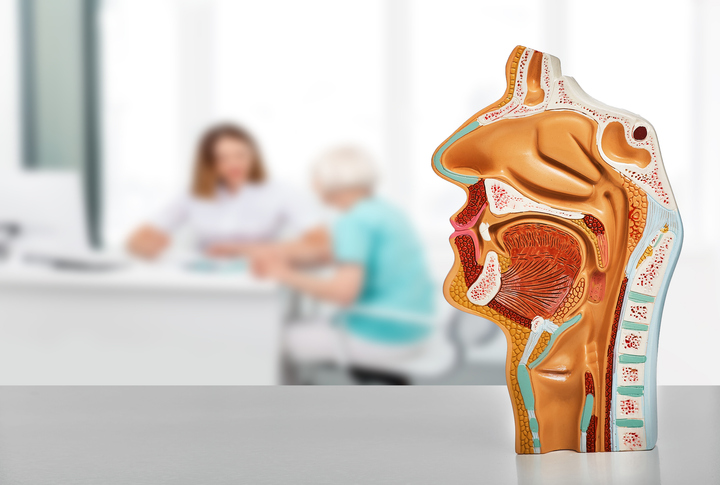
Introduction: PRP in ENT Medicine
Otolaryngology, also known as ear, nose, and throat (ENT) medicine, continues to evolve.
At the same time, physicians are exploring new technologies that may support tissue response and recovery. One area of growing interest is platelet-rich plasma (PRP) preparation.
PRP is created by concentrating platelets from a patient’s own blood using a PRP preparation system. Because of this, it is considered an autologous biologic preparation.
In recent years, clinicians and researchers have begun studying PRP in otolaryngology across several ENT-related conditions.
What Is Platelet-Rich Plasma (PRP)?
Platelet-rich plasma is produced using a simple, in-office workflow.
First, the clinician collects a small blood sample. Next, the sample is processed in a centrifuge. Then, the system separates blood components and concentrates platelets within the plasma.
This process is known as platelet-rich plasma preparation.
Platelets contain signaling proteins that are widely studied in:
• cellular communication
• tissue biology
• normal repair processes
Because of this, PRP preparation systems are used in multiple medical specialties.
Why ENT Specialists Are Exploring PRP
ENT physicians manage a wide range of conditions involving delicate tissues.
As a result, some clinicians are evaluating PRP preparation in areas such as:
• sinus and nasal tissue health
• vocal cord and laryngeal conditions
• tympanic membrane and inner ear research
• facial nerve-related conditions
• post-surgical tissue environments
However, research is still evolving. Therefore, clinical use varies based on physician judgment and patient-specific factors.
Research Areas in PRP and Otolaryngology
Scientific interest in PRP in ENT continues to grow.
Current research explores PRP preparation in relation to:
• tissue regeneration in ENT structures
• wound healing environments after sinus procedures
• vocal cord tissue studies
• inner ear and hearing-related research models
In addition, some studies examine PRP alongside other technologies such as:
• ultrasound-guided injection techniques
• adjunctive therapies used in ENT care
However, results vary across studies. Because of this, researchers emphasize the need for:
• standardized PRP preparation methods
• controlled clinical trials
• consistent reporting of platelet concentration
PRP Preparation Systems in ENT Practice
ENT specialists who evaluate PRP often review the design of the PRP preparation system.
Key considerations include:
• platelet concentration levels
• red blood cell reduction
• leukocyte profile
• reproducibility of centrifugation workflow
• ease of use in clinical settings
Because different systems produce different outputs, platelet-rich plasma preparation may vary between devices.
Clinical Workflow for PRP Preparation
PRP preparation typically follows a consistent process.
Step 1 — Blood Collection
First, the clinician collects a small blood sample.
Step 2 — Centrifugation
Next, the sample is processed in a centrifuge to separate components.
Step 3 — Platelet Concentration
Then, the system isolates the platelet-rich plasma layer.
Step 4 — PRP Preparation
Finally, the PRP is prepared according to the Instructions for Use.
Because of this workflow, clinicians can perform PRP preparation at the point of care.
The Future of PRP in ENT
Interest in regenerative medicine continues to expand.
At the same time, researchers are studying how platelet-rich plasma preparation may interact with:
• soft tissue environments
• nerve-related structures
• post-surgical healing processes
As more data becomes available, ENT specialists will better understand how PRP preparation systems may fit into clinical practice.
Conclusion
PRP preparation represents a growing area of research in otolaryngology (ENT).
By using a PRP preparation system, clinicians can produce platelet-rich plasma from a patient’s own blood within the clinical setting.
However, because preparation methods and study results vary, physicians must evaluate:
• system design
• clinical research
• patient-specific factors
As research continues, PRP in ENT medicine will remain an important topic of investigation.
Regulatory Notice
PRP preparation systems are intended for the preparation of autologous platelet-rich plasma.
The clinical use of PRP is determined by the treating physician based on patient evaluation and professional judgment.
Statements regarding biological characteristics reflect published scientific literature and are not intended to imply FDA-cleared indications for specific clinical outcomes.