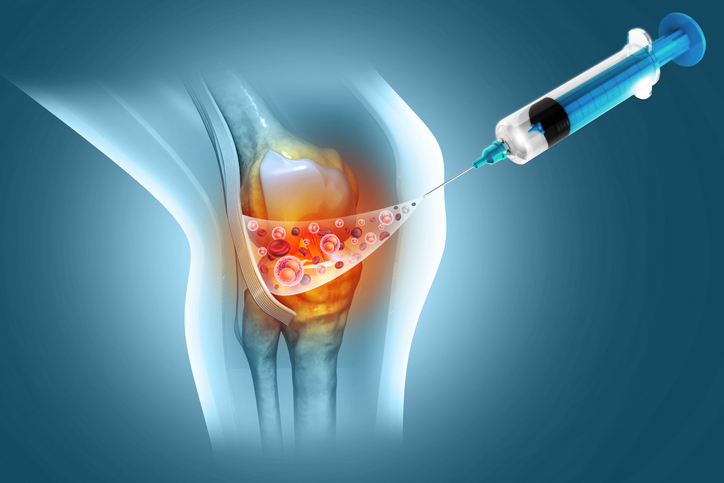
Corticosteroid injections have been used for decades in musculoskeletal medicine to help manage inflammation and joint-related symptoms. Physicians commonly use these injections in orthopedic clinics, sports medicine practices, and pain management settings.
Because clinicians can administer corticosteroid injections in outpatient environments, they often serve as one option for managing symptoms associated with joint or soft-tissue conditions.
However, researchers continue to study the local and systemic effects of corticosteroid injections, especially when patients receive repeated injections or higher cumulative doses.
For physicians evaluating treatment strategies, reviewing the latest medical literature can help guide patient discussions and clinical decision-making.
Research on Corticosteroid Injections
Local and Systemic Effects
A review published in the American Journal of Roentgenology examined both local and systemic effects associated with corticosteroid injections in musculoskeletal care.
According to the review, the literature has reported several possible local effects, including:
post-injection flare reactions
skin hypopigmentation
localized soft-tissue atrophy
infection
tendon injury
progression of underlying joint conditions in certain cases
Researchers have also discussed potential systemic effects that may occur in some patients, including:
adrenal suppression
elevated blood glucose levels
hypertension
changes in bone density
Because patients vary widely in health status and underlying conditions, physicians typically evaluate individual risk factors when considering corticosteroid therapy.
Source: Kamel et al., American Journal of Roentgenology, 2024.
Soft-Tissue Changes After Injection
In addition, a case report published in JMIR Dermatology described localized soft-tissue changes following corticosteroid injections used for tendon-related conditions.
In these cases, clinicians reported:
skin thinning
skin discoloration
localized tissue atrophy
Interestingly, these changes appeared several months after injection. The authors therefore suggested that such effects may be underreported in clinical practice.
Source: Colwell et al., JMIR Dermatology, 2025.
Structural Joint Changes Reported in Research
Another review published in Radiology examined structural changes reported after corticosteroid injections used in joint-related conditions.
The authors described several findings that have appeared in published literature, including:
cartilage loss
subchondral fractures
osteonecrosis
rapid joint degeneration in certain patients
Importantly, researchers emphasized that these findings should be interpreted within the context of patient selection, injection frequency, and underlying pathology.
Source: Radiology, 2020.
Clinical Considerations for Physicians
Corticosteroid injections remain a commonly used tool in musculoskeletal care. However, current research highlights the importance of thoughtful clinical evaluation when physicians consider this treatment approach.
Many clinicians therefore consider several factors before recommending corticosteroid injections, including:
patient-specific risk factors
frequency of prior injections
underlying joint or tendon pathology
potential short-term and long-term considerations
In addition, physicians often incorporate corticosteroid therapy into a broader treatment strategy that may include rehabilitation therapy, activity modification, and other conservative approaches.
Ultimately, treatment decisions are determined by the treating physician’s clinical judgment and the patient’s individual condition.
Growing Interest in Orthobiologic Research
At the same time, researchers continue to study orthobiologic technologies, including preparations derived from the patient’s own blood.
One example is platelet-rich plasma (PRP).
PRP is an autologous biologic preparation created by processing a blood sample through a centrifugation-based PRP preparation system. This process concentrates platelets within plasma fractions.
Researchers frequently study platelet-rich plasma in orthopedic and sports medicine literature. Current investigations examine how factors such as:
platelet concentration
leukocyte content
preparation protocols
may influence the biological characteristics of PRP preparations.
PRP preparation systems allow clinicians to process platelet-rich plasma within clinical environments using standardized centrifugation techniques.
Why PRP Preparation Methods Matter
As interest in platelet-rich plasma research grows, investigators increasingly emphasize how PRP is prepared.
Preparation methods can influence several characteristics of platelet-rich plasma samples, including:
platelet concentration levels
leukocyte presence or reduction
red blood cell contamination
centrifugation protocols
Because of this variability, PRP preparation systems aim to support consistent separation of blood components.
For example, Tropocells® and TropoVet® PRP preparation systems incorporate features such as:
closed-system processing
gel-separation technology
controlled platelet isolation
reproducible centrifugation workflows
These design elements help clinicians prepare platelet-rich plasma efficiently within medical and veterinary practices.
Importantly, clinical use decisions remain the responsibility of the treating physician.
Continuing Research in Musculoskeletal Medicine
Musculoskeletal medicine continues to evolve as researchers investigate both established treatment methods and emerging biologic technologies.
Current areas of investigation include:
long-term outcomes associated with corticosteroid injections
biological characteristics of platelet-rich plasma preparations
variability among PRP preparation systems
laboratory research on platelet-derived signaling proteins
As scientific knowledge expands, physicians will continue evaluating available evidence when developing treatment plans for their patients.
Regulatory Notice
Transcend Biologics systems are intended for the preparation of autologous platelet-rich plasma.
The clinical use of PRP is determined by the treating physician based on patient evaluation and professional judgment.
Statements regarding potential clinical applications reflect published scientific literature and do not imply FDA-cleared indications.
References
Kamel et al. Local and Systemic Side Effects of Corticosteroid Injections for Musculoskeletal Indications. American Journal of Roentgenology, 2024.
Colwell et al. Cutaneous Atrophy Following Corticosteroid Injections. JMIR Dermatology, 2025.
Radiology Review: Structural complications associated with corticosteroid injections. Radiology, 2020.