Blog posts by Category: Physician Perspectives
Posted on | Physician Perspectives
As Major League Baseball heads into the final stretch of its regular season, one name feels especially present this year: Tommy John. His story is one of the most consequential in baseball and in sports medicine. It began with an injury that could have ended a career, and it became a turning point in what…
Posted on | Patient Health
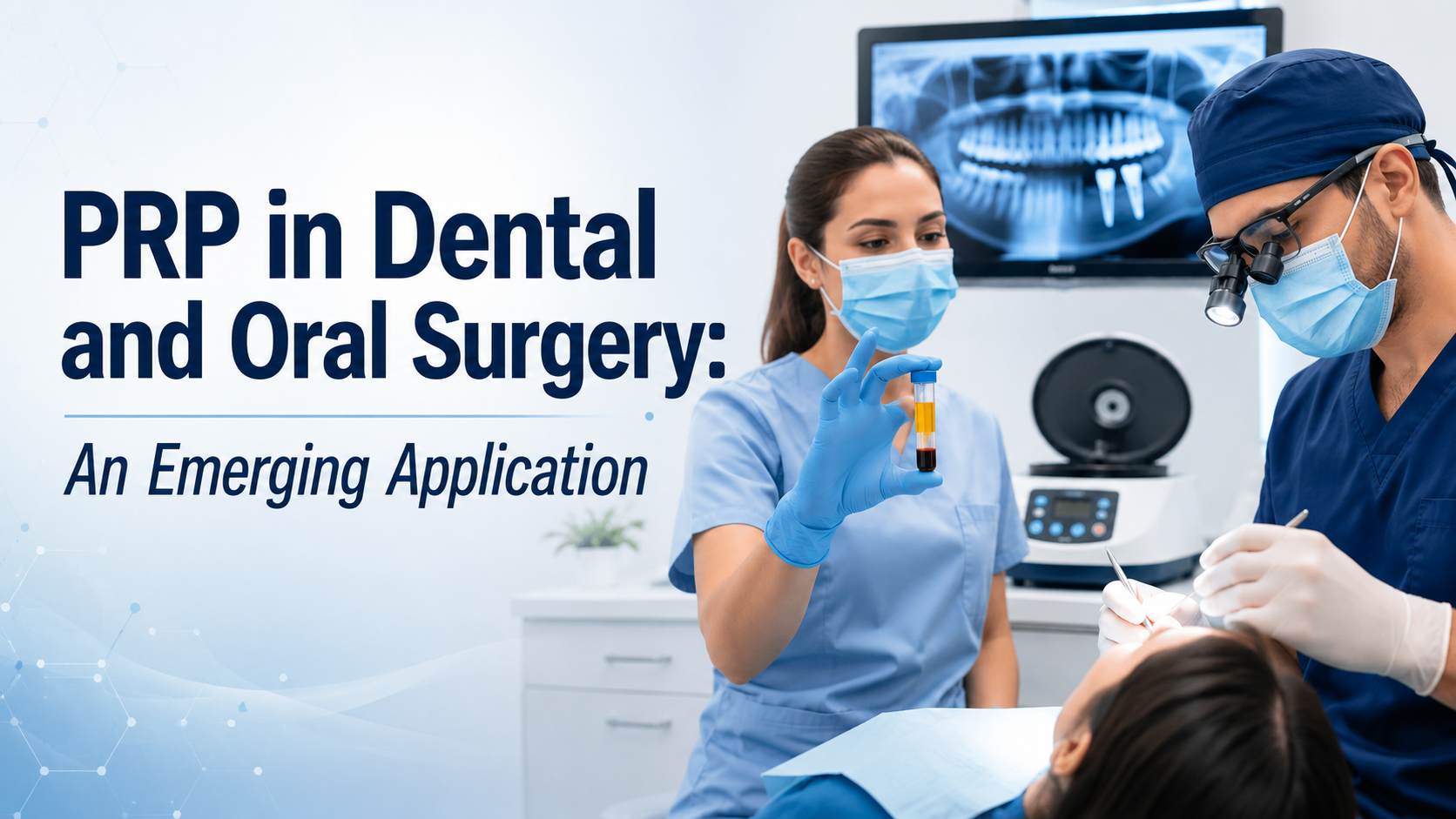
PRP in Dental and Oral Surgery: An Emerging Application Publish date: July 29, 2026 Introduction: A Growing Area of Interest PRP dental and oral surgery applications have drawn growing interest from providers in recent years. Oral tissue heals inside a highly vascular, biologically active site, so practitioners have started to ask a simple question: can…
Posted on | Industry Update
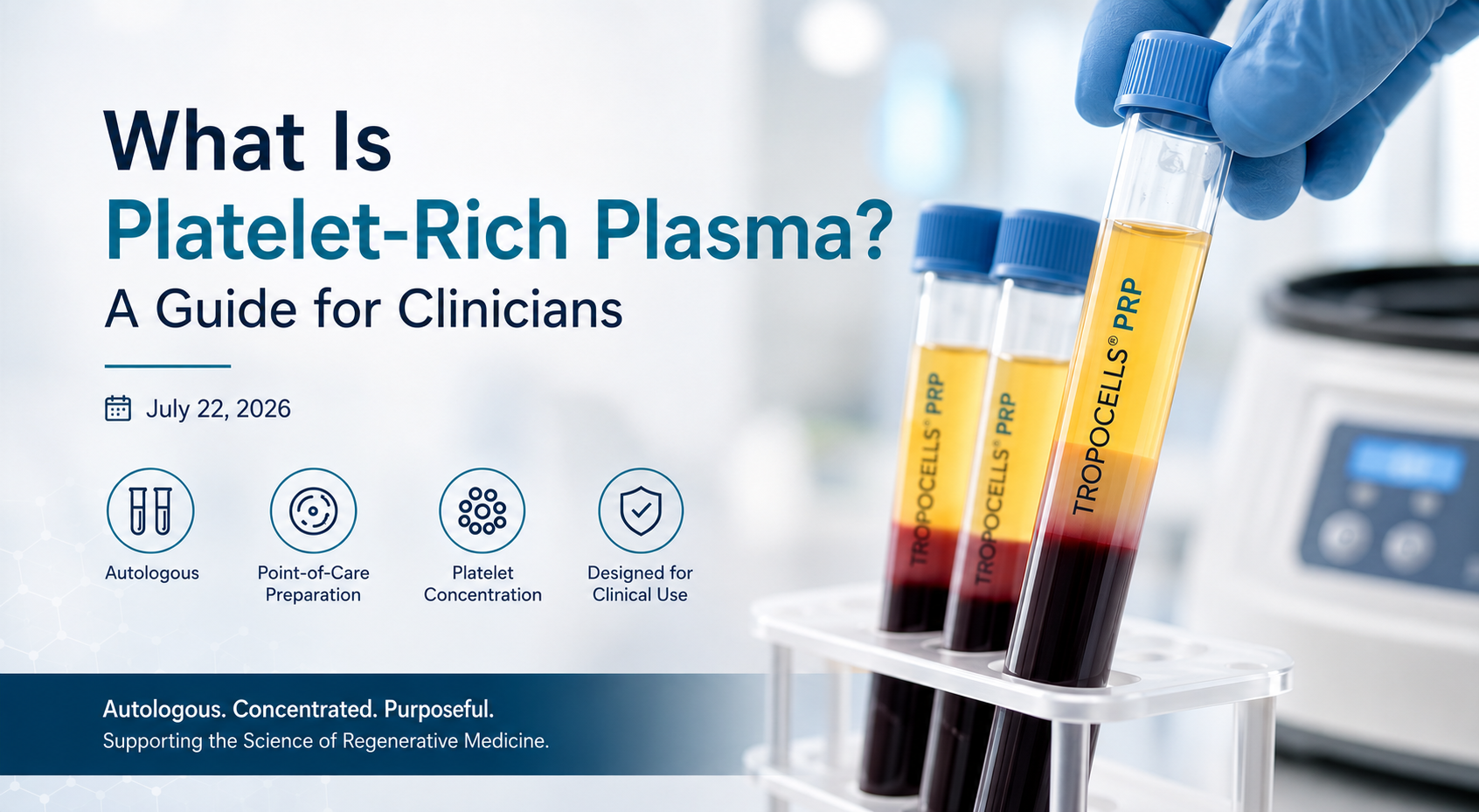
What Is Platelet-Rich Plasma? A Guide for Clinicians Publish date: July 22, 2026 Introduction: Why PRP Understanding Matters Platelet-rich plasma, or PRP, is a point-of-care preparation derived from a patient’s own blood. Because it is autologous, PRP has drawn steady clinical interest across orthopedics, sports medicine, and aesthetics. However, before adopting PRP into practice, physicians…
Posted on | Physician Perspectives
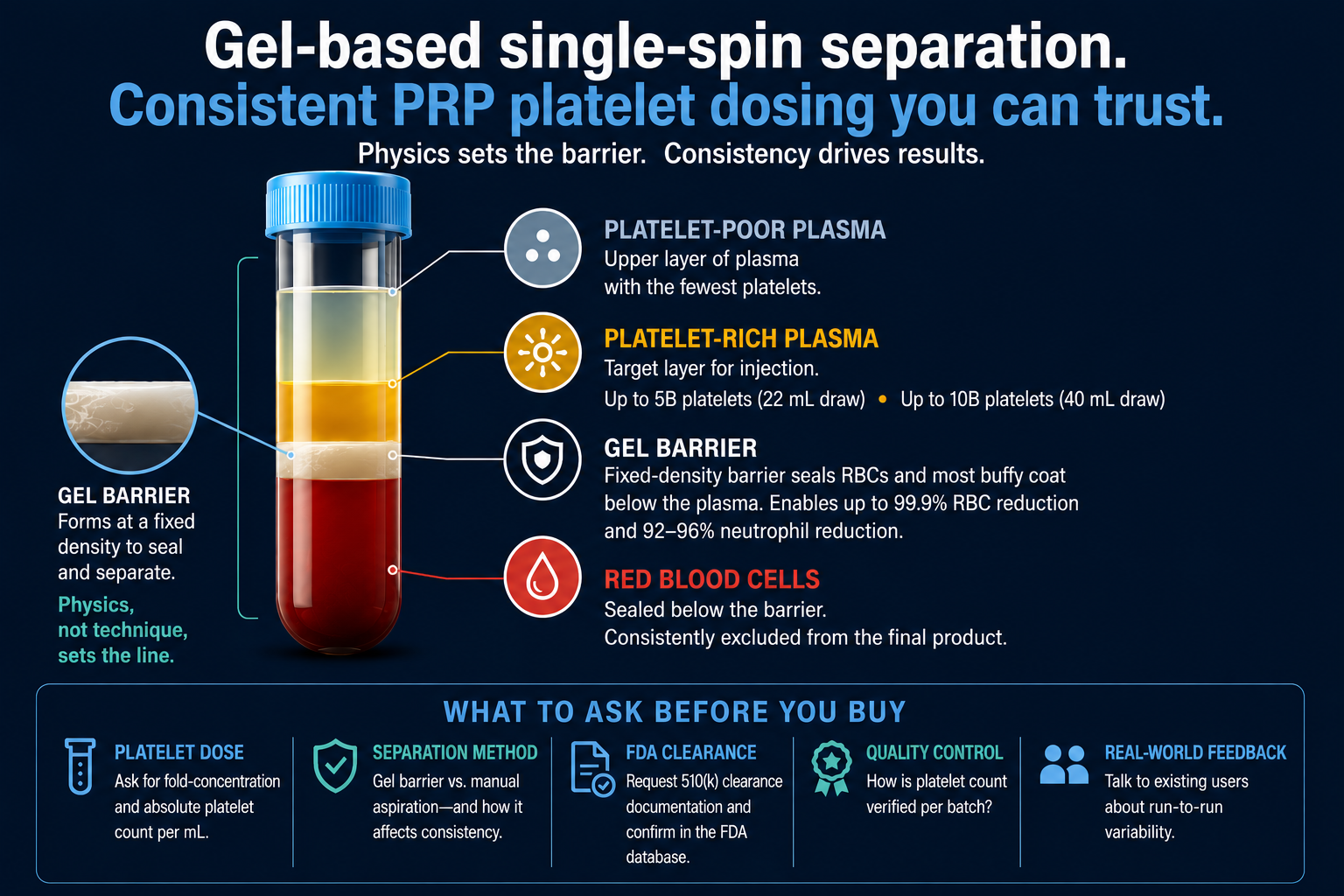
Why Platelet Dosing (Not Just “PRP”) Should Drive Your System Purchase Decision Have you evaluated more than one PRP system? If so, you’ve probably noticed something frustrating. Every manufacturer calls their platelet-rich plasma “concentrated,” “pure,” and “optimized.” Almost none of them tell you the actual PRP platelet dosing their system delivers. Fewer still tell you…
Posted on | PRP Education & Treatment
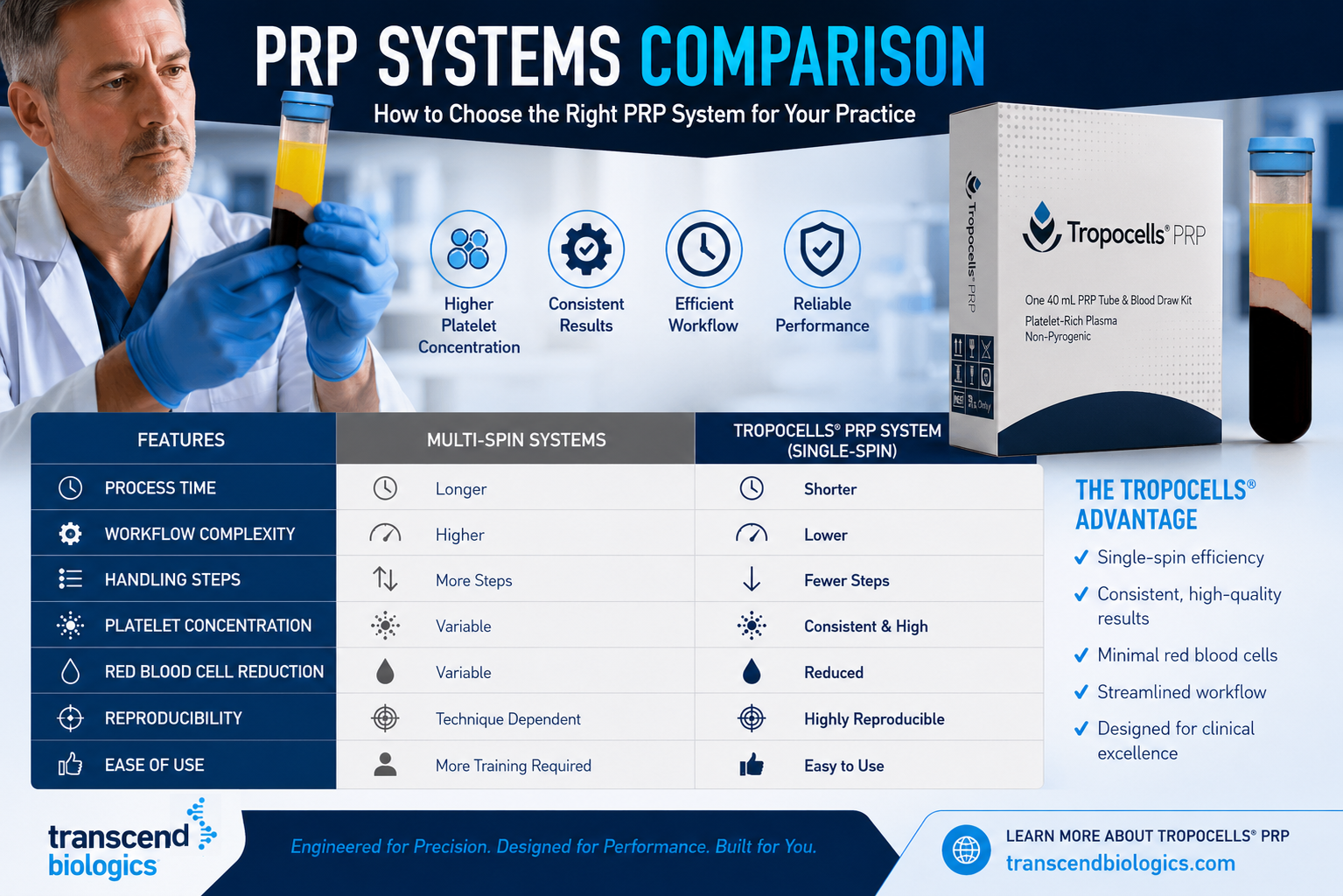
Introduction: Single-Spin vs Dual-Spin PRP Methods Single-spin vs dual-spin PRP preparation is an important topic for physicians evaluating platelet-rich plasma systems. Today, practices compare preparation methods to improve efficiency, simplify training, and support consistent workflows. As a result, understanding the differences between these approaches can help clinicians make informed decisions. What Is Platelet-Rich Plasma (PRP)?…
Posted on | Industry Update
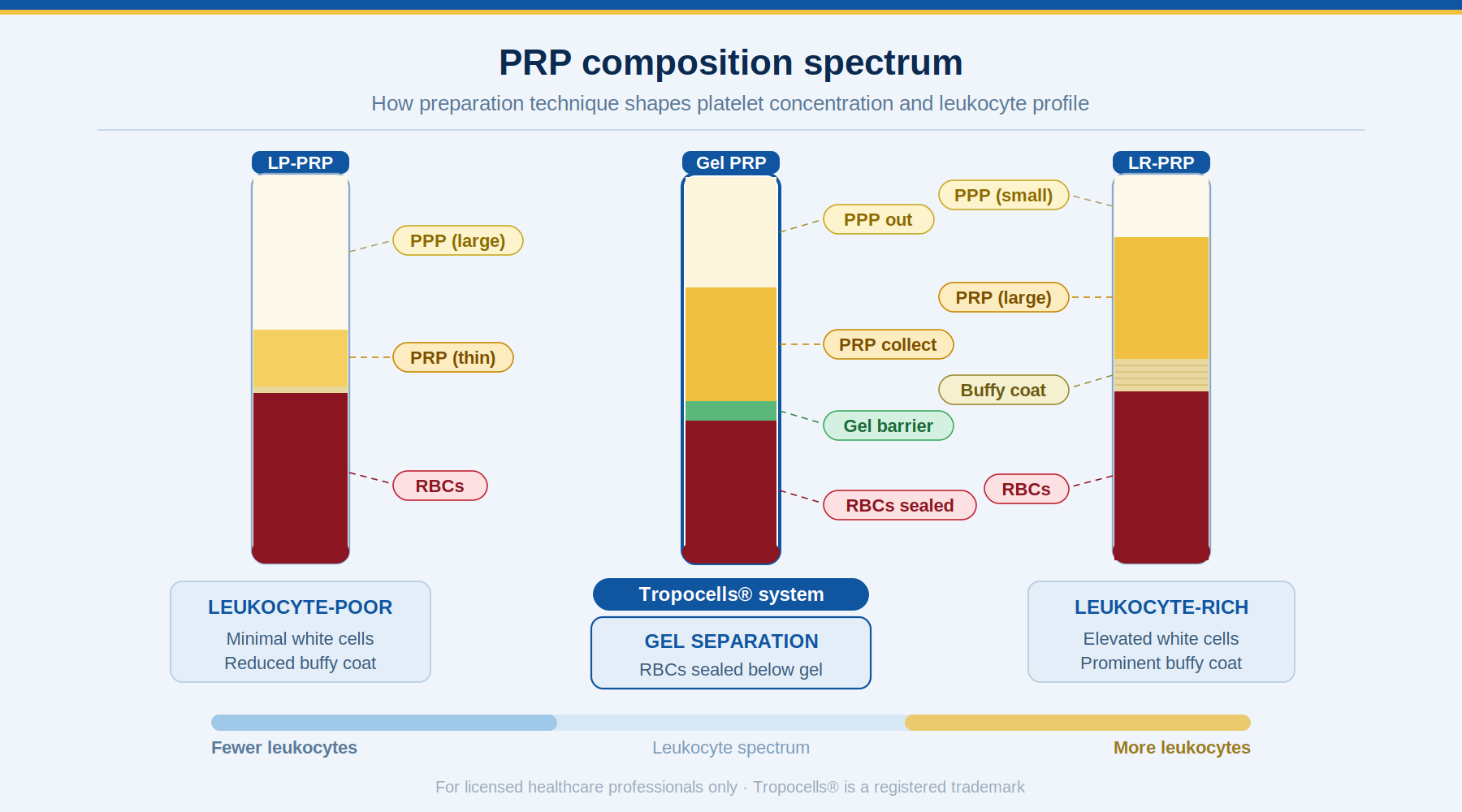
How PRP Preparation Technique Affects Clinical Outcomes: What Physicians Need to Know PRP preparation technique is one of the most overlooked variables in platelet-rich plasma procedures. Physicians often focus on patient selection and injection protocols, but how a practice prepares PRP can strongly shape the final product. Therefore, every practice offering PRP services benefits from…