Introduction: Cash-Pay Services in Modern Medical Practice
Medical practices are evolving. At the same time, many providers are exploring ways to grow outside of traditional insurance models.
As a result, cash-pay medical services are gaining attention.
These services are typically elective. In addition, they allow practices to offer specialized care, new technologies, and wellness programs directly to patients.
When implemented carefully, cash-pay services may help practices:
• diversify revenue
• expand service offerings
• improve patient access
• support long-term sustainability
Below are five categories that many practices are currently evaluating.
1. Platelet-Rich Plasma (PRP) Preparation Systems
One of the most discussed technologies is platelet-rich plasma (PRP) preparation.
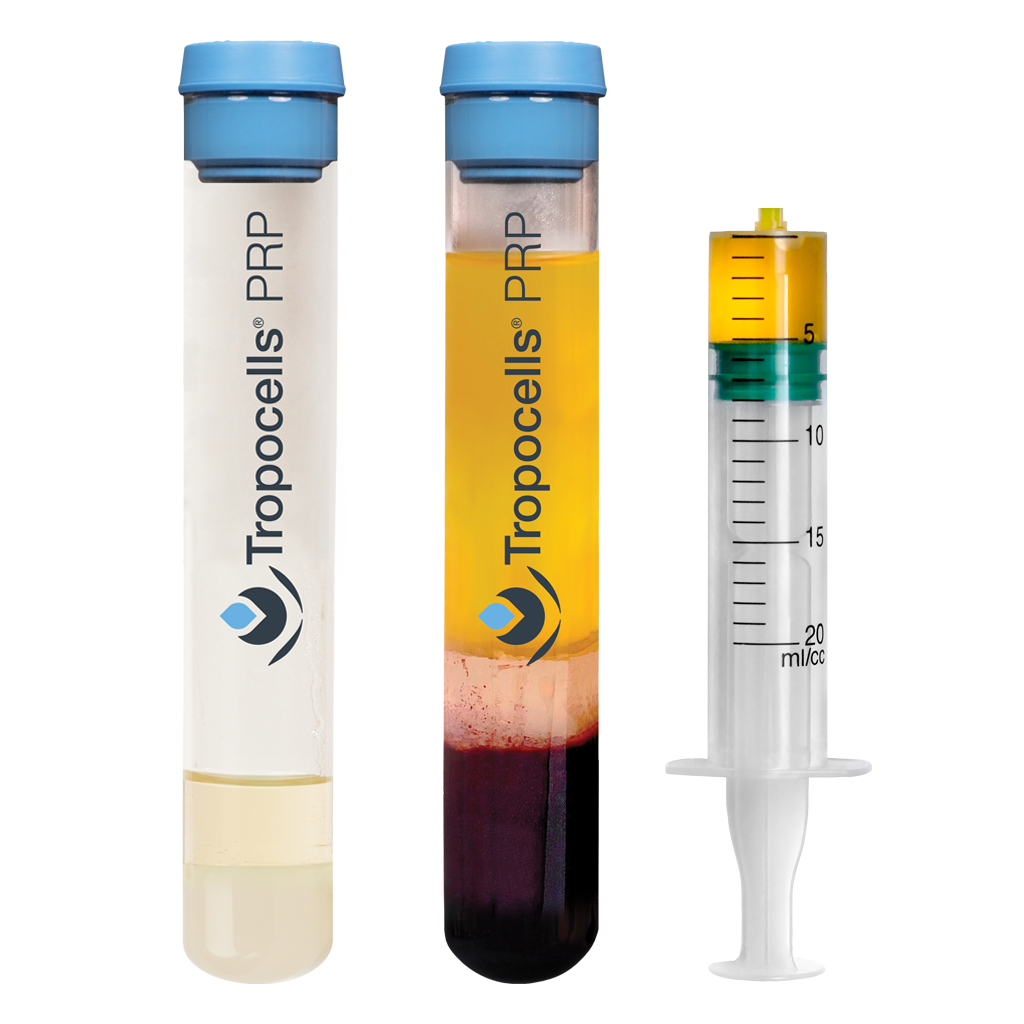
PRP is an autologous biologic preparation derived from a patient’s own blood. Clinicians produce PRP using a PRP preparation system and centrifugation.
PRP preparation workflow includes:
• blood collection
• centrifugation
• platelet concentration
• preparation according to Instructions for Use
Platelets contain signaling proteins that are widely studied in regenerative medicine research.
Because of this, many orthopedic and sports medicine practices evaluate PRP preparation systems for in-office use.
In addition, some clinicians use imaging tools, such as ultrasound, to support procedural visualization when clinically appropriate.
Importantly, the clinical use of PRP is determined by the treating physician.
2. Musculoskeletal Care and Rehabilitation Services
Next, many practices expand into musculoskeletal care services.
These services support patients with joint, tendon, and soft-tissue concerns.
Common services include:
• physical therapy programs
• chiropractic care
• rehabilitation services
• therapeutic exercise plans
In some cases, clinics also evaluate non-invasive technologies studied in musculoskeletal research.
However, treatment plans always depend on physician evaluation and patient needs.
3. IV Hydration and Nutrient Services
Another area of growth is IV hydration and nutrient services.
These programs involve intravenous delivery of fluids, vitamins, or minerals under medical supervision.
Patients may seek these services for hydration or general wellness.
Therefore, providers typically follow:
• clinical screening protocols
• licensed supervision
• established safety procedures
4. Nutrition and Lifestyle Counseling
In addition, many practices now offer nutrition and lifestyle programs.
These services often focus on preventive care and long-term health.
Programs may include:
• dietary counseling
• lifestyle coaching
• metabolic assessments
• physician-guided weight management
These services are often delivered by physicians, dietitians, or trained health professionals.
5. Hormone Evaluation and Management
Finally, some practices offer hormone evaluation programs.
These services help patients understand changes in hormonal health.
Typical components include:
• laboratory testing
• physician consultations
• individualized care plans
All hormone-related services are performed under medical supervision and based on patient-specific evaluation.
How Practices Evaluate Cash-Pay Services
Before adding new services, practices review several key factors.
Common considerations include:
• patient demand
• regulatory requirements
• staff training needs
• equipment and technology costs
• workflow integration
As a result, successful implementation requires both clinical and operational planning.
Supporting PRP Preparation System Integration
Practices that adopt technologies such as PRP preparation systems often need support.
This may include:
• clinical education
• staff training
• patient education materials
• workflow optimization
Transcend Biologics provides resources to help practices understand platelet-rich plasma preparation systems and integrate them into clinical workflows.
Conclusion
Cash-pay services continue to grow in modern healthcare.
Among these, platelet-rich plasma preparation systems represent one area of increasing interest.
At the same time, practices are expanding into rehabilitation, wellness, and diagnostic services.
However, all new services should be evaluated carefully. Physicians must consider:
• clinical evidence
• patient needs
• regulatory requirements
As healthcare evolves, cash-pay medical services will remain an important part of practice growth strategies.
Regulatory Notice
Tropocells® systems are intended for the preparation of autologous platelet-rich plasma.
The clinical use of PRP is determined by the treating physician based on patient evaluation and professional judgment.
Statements regarding biological characteristics reflect published scientific literature and are not intended to imply FDA-cleared indications for specific clinical outcomes.