Introduction: Understanding Platelet-Rich Plasma
Have you heard of platelet-rich plasma (PRP)?
Today, many patients and physicians are exploring platelet-rich plasma preparation as part of musculoskeletal and wellness care.
PRP uses your own blood. Then, it concentrates key components that are widely studied in healing and tissue response.
So, let’s break it down in simple terms.
What Is Platelet-Rich Plasma (PRP)?
Platelet-rich plasma contains two main parts:
• plasma – the liquid portion of blood
• platelets – cells involved in clotting and signaling
Platelets also contain proteins often called growth factors. These are studied for their role in the body’s natural repair processes.
With platelet-rich plasma preparation, clinicians create a sample that has a higher concentration of platelets than normal blood.
How Does PRP Work?
Clinicians prepare PRP using a PRP preparation system.
The process is simple:
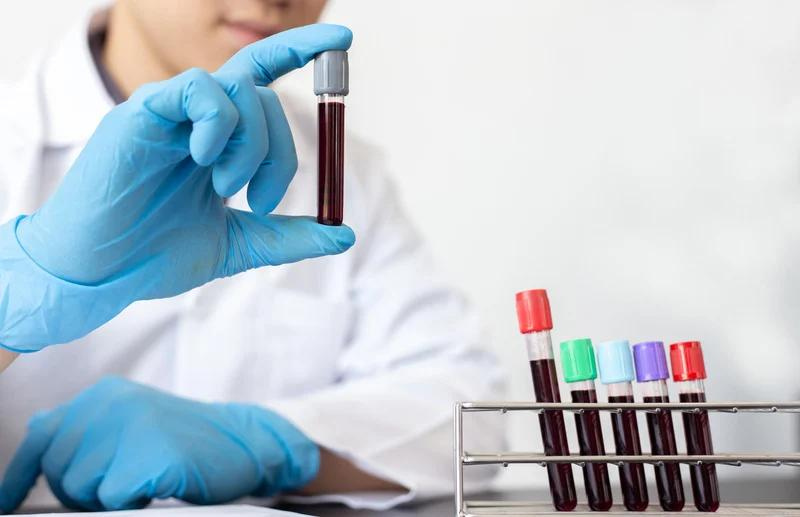
Blood draw
A small amount of blood is collected.Centrifugation
Next, the blood is spun in a centrifuge. This separates blood into layers.Platelet concentration
Then, the platelet-rich portion is isolated.PRP preparation
Finally, the platelet-rich plasma is prepared according to the system instructions.
As a result, the final PRP contains concentrated platelets in plasma.
How Are PRP Injections Used?
After platelet-rich plasma preparation, the PRP is injected into a targeted area.
For example, clinicians may treat:
• joints
• tendons
• ligaments
• muscles
In many cases, physicians use ultrasound guidance. This helps improve placement accuracy.
The goal is to deliver concentrated platelets directly to the area of interest.
What Conditions Are Studied with PRP?
PRP is being studied across many areas of medicine.
Common areas of interest include:
• tendon-related conditions (e.g., tennis elbow)
• joint-related concerns
• soft-tissue injuries
• hair restoration procedures
• cosmetic and dermatology applications
However, treatment decisions vary. Therefore, physicians evaluate each patient individually.
When Can Patients Expect Results?
Results can vary.
For example:
• joint-related applications may show changes over several weeks
• hair-related applications may take several months
Because PRP uses a patient’s own blood, it is considered an autologous biologic preparation.
Why PRP Preparation Systems Matter
Not all PRP preparation systems are the same.
In fact, system design can affect:
• platelet concentration
• red blood cell content
• leukocyte levels
• consistency of preparation
Therefore, clinicians often evaluate platelet-rich plasma preparation systems carefully.
Is PRP Safe?
PRP uses the patient’s own blood. Therefore, it avoids donor-related risks.
However, as with any procedure, physicians evaluate:
• patient health history
• clinical condition
• appropriate use
Always consult a qualified healthcare professional before treatment.
Next Steps: Talk to Your Physician
If you are interested in PRP injections, start with a medical consultation.
Your physician can:
• evaluate your condition
• discuss available options
• explain potential benefits and considerations
Conclusion
Platelet-rich plasma preparation is a growing area of interest in modern medicine.
Because PRP uses your own blood, it offers a unique approach that researchers continue to study.
At the same time, PRP preparation systems and clinical techniques continue to evolve.
Regulatory Notice
PRP preparation systems are intended for the preparation of autologous platelet-rich plasma.
The clinical use of PRP is determined by the treating physician based on patient evaluation and professional judgment.
Statements regarding PRP reflect published scientific literature and are not intended to imply FDA-cleared indications for specific clinical outcomes.