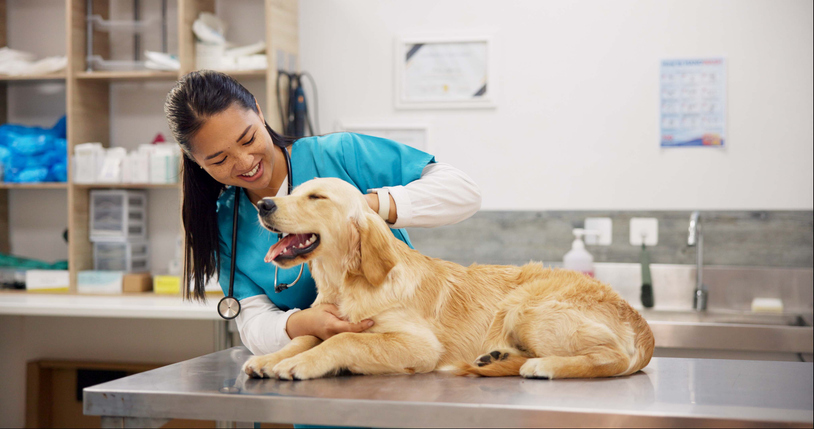
Regenerative Medicine and Veterinary Practice
Veterinary medicine continues to evolve as clinicians explore biologic technologies that may support tissue repair and recovery in animals. One approach receiving increasing attention is platelet-rich plasma (PRP) preparation, which involves concentrating platelets from an animal’s own blood using centrifugation technology.
PRP preparation systems are now used in several areas of veterinary medicine, including orthopedic care, rehabilitation programs, and surgical recovery protocols. Because PRP is derived from the patient’s own blood, it is commonly referred to as an autologous biologic preparation.
As research in regenerative medicine expands, veterinarians are evaluating PRP preparation systems as part of their clinical toolkit.
What Is Platelet-Rich Plasma (PRP)?
Platelet-rich plasma is prepared by collecting a small blood sample from the animal and processing it in a centrifuge to separate blood components.
The preparation process typically includes:
Blood Collection
A sample of whole blood is collected using sterile components.Centrifugation
The blood is processed in a centrifuge to separate red blood cells, plasma, and platelet fractions.Platelet Concentration
Platelets are concentrated within a portion of the plasma.Preparation of PRP
The platelet-rich plasma is prepared according to the device’s Instructions for Use.
Platelets contain signaling proteins and growth factors that play a role in the body’s normal tissue response and repair processes. Because of these biological characteristics, platelet-rich plasma continues to be studied in both human and veterinary medicine.
Research Areas for PRP in Veterinary Medicine
Scientific studies have explored PRP preparation across several veterinary applications, particularly in musculoskeletal medicine.
Research involving PRP preparation has been reported in relation to:
orthopedic conditions in dogs and horses
ligament and tendon injuries
rehabilitation programs for mobility support
surgical recovery environments
soft-tissue and wound management research
For example, a study published in BMC Veterinary Research evaluated platelet-rich plasma preparation in dogs with bilateral hip osteoarthritis. Investigators examined mobility scores and other clinical measures following PRP injections as part of their research protocol.
While results from studies such as these contribute to the growing body of knowledge surrounding PRP preparation, researchers consistently note that additional controlled clinical trials are needed to better understand preparation protocols and treatment outcomes.
Safety Considerations of PRP Preparation
PRP preparation is generally considered a low-risk biologic process because the material used is derived from the animal’s own blood.
Because it is autologous, PRP preparation avoids many of the risks associated with donor-derived biologic materials.
As with any veterinary procedure, clinicians evaluate the animal’s health status and medical history before determining whether PRP preparation may be appropriate within a treatment plan.
PRP Preparation Systems in Veterinary Clinics
Veterinary clinics that offer PRP preparation typically use specialized preparation kits and centrifuge protocols designed to isolate platelets efficiently.
When evaluating PRP preparation systems, veterinarians may review several technical characteristics:
platelet recovery efficiency
platelet concentration levels
red blood cell removal
reproducibility of centrifugation protocols
preparation workflow within the clinic
Modern PRP preparation technologies are designed to support consistent platelet separation and simplified clinical workflows for veterinary practices.
PRP Preparation for Veterinary Workflows
PRP preparation systems can often be integrated into veterinary clinics with minimal equipment requirements. Most systems are designed to operate with compact centrifuges and sterile preparation kits that allow platelet-rich plasma to be produced directly within the clinic.
Veterinary practices may explore PRP preparation systems when evaluating technologies that allow them to expand biologic treatment options while maintaining efficient clinical workflows.
The Role of Research in Veterinary Regenerative Medicine
Regenerative medicine continues to be an active area of veterinary research. Scientists are studying biologic therapies—including platelet-rich plasma—to better understand how these technologies may interact with musculoskeletal tissues and healing environments.
As additional research is published, veterinarians will gain further insight into preparation methods, platelet concentrations, and clinical protocols related to PRP preparation.
For veterinary professionals interested in biologic technologies, staying informed about research developments and preparation systems may help guide future clinical decisions.
Take the Next Step: Offer Advanced Regenerative Therapy Today
Veterinarians worldwide are embracing PRP as a regenerative therapy solution to improve patient outcomes. Are you ready to integrate TropoVet™ PRP into your practice?
📞 Call: 833-713-3414
📧 Email: sales@transcendbiologics.com
🌍 Visit: www.transcendbiologics.com
Join the Future of Veterinary Medicine with TropoVet™ PRP!