Modern surgery combines technical skill with the body’s own biological repair processes. Even the most precise surgical procedure ultimately depends on the patient’s natural ability to repair tissue.
Because of this, many surgeons and clinicians are studying autologous biologic preparations that originate from the patient’s own blood. One of the most widely discussed technologies in this area is platelet-rich plasma (PRP).
Today, clinicians use PRP preparation systems to process blood samples and concentrate platelets through centrifugation. As a result, platelet-rich plasma can be prepared directly within clinical environments such as orthopedic practices, surgical centers, and sports medicine clinics.
This article provides an educational overview of platelet biology and PRP preparation for physicians and surgeons evaluating orthobiologic technologies.
The Biology of Platelets and Tissue Response
Platelets play a well-known role in blood clotting. However, they also participate in several biological processes that occur after tissue disruption.
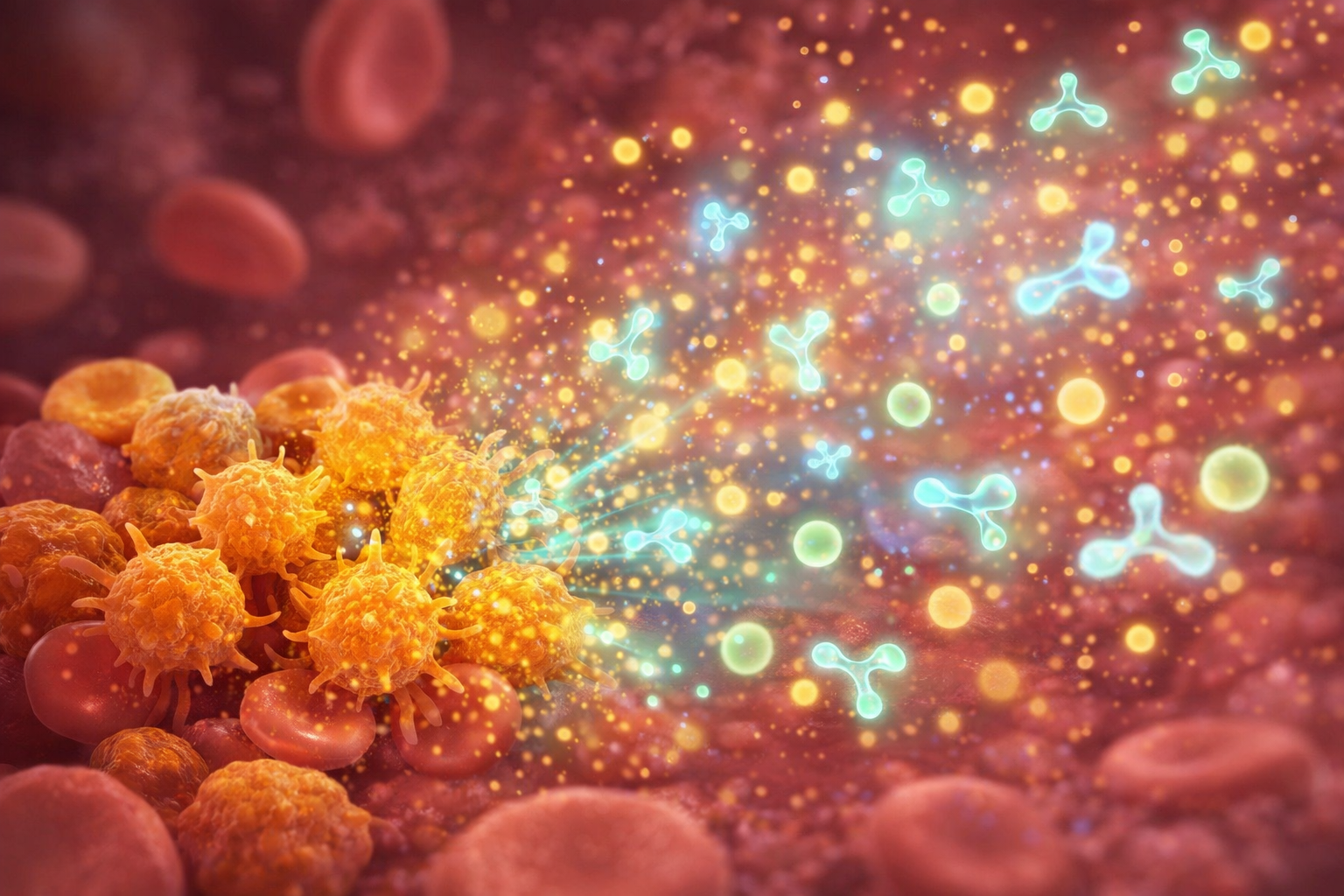
When tissue injury occurs, platelets interact with exposed collagen and structural proteins in the extracellular matrix. As a result, platelets release signaling molecules that influence cellular communication pathways.
Within minutes of vascular disruption:
platelets aggregate and contribute to hemostasis
signaling proteins are released from platelet granules
inflammatory cells migrate toward the affected area
early extracellular matrix structures begin to develop
These responses represent part of the body’s normal physiologic reaction to tissue disruption.
Platelets also contain numerous signaling proteins that researchers frequently study in regenerative medicine research. Examples include:
Platelet-Derived Growth Factor (PDGF)
Transforming Growth Factor-Beta (TGF-β)
Vascular Endothelial Growth Factor (VEGF)
Researchers continue investigating how these proteins participate in cellular communication and tissue biology.
What Is Platelet-Rich Plasma (PRP)?
Platelet-rich plasma is a plasma fraction derived from whole blood that contains a higher concentration of platelets than baseline circulating blood levels.
Clinicians produce PRP using a centrifugation-based PRP preparation system. During centrifugation, spinning separates blood components according to density.
Typically, this process forms several layers:
red blood cells (RBCs)
platelet-poor plasma (PPP)
platelet-rich plasma (PRP)
The clinician can then isolate the platelet-rich plasma fraction according to physician judgment.
Because PRP originates from the patient’s own blood, clinicians classify it as an autologous biologic preparation.
How PRP Preparation Systems Work
The principle behind PRP preparation is simple: concentrate platelets from a patient’s blood sample using controlled centrifugation.
Modern PRP preparation systems are designed to:
separate platelets from other blood components
produce reproducible platelet concentrations
reduce red blood cell carryover
allow processing within clinical environments
However, research literature consistently notes that PRP composition can vary between preparation systems. Differences in device design, centrifugation speed, and separation technology may influence platelet concentration and cellular composition.
Because of this variability, researchers continue to emphasize the importance of standardized PRP preparation methods.
PRP Research in Orthopedic and Surgical Literature
Platelet-rich plasma has been widely studied across orthopedic and musculoskeletal research.
For example, investigators have examined PRP preparation in contexts such as:
tendon repair research
ligament and graft biology
musculoskeletal tissue response
postoperative biological environments
However, published studies often use different preparation protocols. As a result, platelet concentration, leukocyte levels, and plasma composition may vary between studies.
Therefore, researchers frequently recommend consistent reporting of PRP preparation methods when evaluating scientific literature.
Why PRP Preparation Technology Matters
As interest in platelet-rich plasma grows, clinicians increasingly focus on how PRP is prepared, not only where it is used.
Several key variables influence the characteristics of PRP preparations:
platelet concentration levels
leukocyte presence or reduction
red blood cell contamination
reproducibility of centrifugation protocols
Because of these factors, PRP preparation systems are engineered to support consistent separation and processing of blood components.
For example, Tropocells® and TropoVet® PRP preparation systems include design elements such as:
closed-system processing
gel-separation technology
controlled platelet isolation
multiple blood-volume options
These features are designed to support consistent PRP preparation workflows in clinical environments.
Importantly, PRP preparation systems assist clinicians in producing platelet-rich plasma, while clinical use decisions remain the responsibility of the treating physician.
Growing Interest in Orthobiologics
Modern medicine continues to advance along two complementary paths.
First, surgical techniques continue to improve through minimally invasive procedures and advanced instrumentation.
At the same time, researchers are investigating orthobiologic technologies, including platelet-rich plasma preparation systems.
These technologies allow clinicians to process autologous biologic material within medical practices while researchers continue studying platelet biology and cellular signaling pathways.
Continued Research in PRP Preparation
Although platelet-rich plasma has been studied for decades, researchers continue investigating several important questions.
Current areas of study include:
how preparation methods influence PRP composition
how platelet concentration affects biologic signaling
how leukocyte levels influence inflammatory responses
how PRP preparations vary between centrifugation systems
As reporting standards improve, researchers may better compare PRP preparations across different studies and preparation systems.
Conclusion
Platelet-rich plasma represents an intersection between surgical practice and biologic research. By concentrating platelets derived from a patient’s own blood, PRP preparation systems allow clinicians to produce autologous biologic preparations within clinical environments.
As interest in orthobiologics continues to grow, understanding PRP preparation methods, platelet concentration, and cellular composition will remain an important area of investigation for surgeons and clinicians.
Regulatory Notice
Transcend Biologics systems are intended for the preparation of autologous platelet-rich plasma. The clinical use of PRP is determined by the treating physician.
Statements regarding potential clinical applications reflect published scientific literature and do not imply FDA-cleared indications.
References
Jo CH et al. Platelet-rich plasma for arthroscopic rotator cuff repair. Scientific Reports.
Aggarwal AK et al. Platelet-rich plasma in orthopedic surgery. Orthopedics.
Chen X et al. Platelet-rich plasma in rotator cuff repair. Arthroscopy.
El-Sharkawi M et al. Platelet-rich plasma in spinal fusion surgery. Aging Clinical and Experimental Research.
Tan JK et al. Platelet-rich plasma and cellular signaling pathways. European Journal of Medical Research.
Piao L, Park H. Prediction of cell recovery rates in PRP preparation through centrifugation. PLoS One.
Nejati P et al. Leukocyte-rich versus leukocyte-poor platelet-rich plasma. Journal of Pain Management.