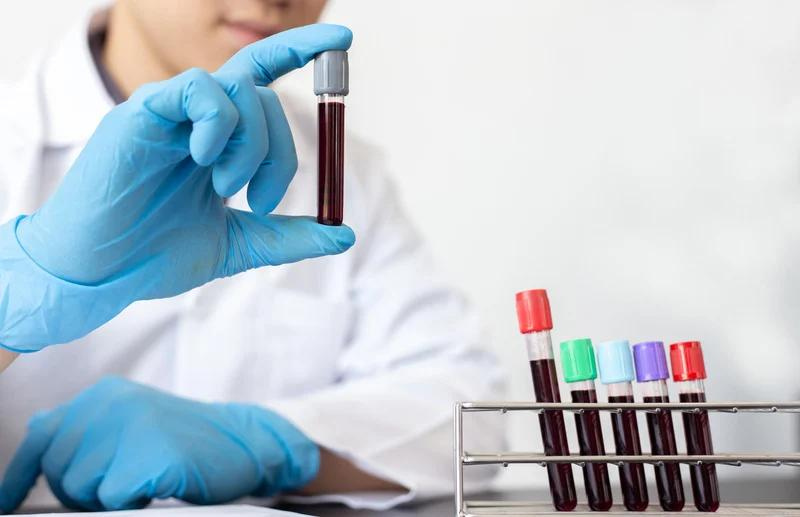
Why PRP Preparation Quality Matters
Platelet-rich plasma (PRP) preparation has become increasingly common across medical specialties including orthopedics, sports medicine, pain management, dermatology, and podiatry. As interest in biologic therapies grows, clinicians are paying closer attention to how platelet-rich plasma is prepared and how preparation technology may influence the characteristics of the final PRP product.
PRP is produced from a patient’s own blood using a centrifugation process that separates and concentrates platelets within the plasma fraction. Because platelets contain biologically active proteins and signaling molecules involved in the body’s natural repair processes, platelet concentration and cellular composition are important considerations when evaluating PRP preparation systems.
However, not all PRP preparation methods produce the same platelet concentration, cellular profile, or plasma volume. Differences in system design, centrifugation protocols, and separation technology can lead to significant variation in PRP output.
What Is Platelet-Rich Plasma (PRP)?
Platelet-rich plasma is an autologous biologic preparation produced by processing whole blood in a centrifuge to isolate platelets within the plasma layer.
The general PRP preparation workflow includes:
1. Blood Collection
A small volume of whole blood is collected using sterile preparation components.
2. Centrifugation
The sample is processed in a centrifuge to separate red blood cells, plasma, and platelet fractions.
3. Platelet Concentration
The preparation system isolates plasma containing a higher concentration of platelets.
4. PRP Preparation
The platelet-rich plasma is prepared according to the device’s Instructions for Use.
Different PRP preparation technologies may produce varying platelet concentrations and cellular compositions depending on centrifuge settings, separation methods, and kit design.
Why PRP Systems Can Produce Different Results
One of the major challenges in platelet-rich plasma preparation is the lack of standardization across systems. Various PRP preparation kits use different approaches to separate and concentrate blood components.
These differences may influence several characteristics of the final PRP preparation.
Platelet Recovery
Platelet recovery refers to the percentage of platelets captured during centrifugation. Higher recovery rates may produce greater platelet dose potential in the prepared plasma.
Platelet Concentration
PRP systems may produce different fold increases in platelet concentration depending on centrifuge protocols and separation technology.
Platelet concentration is often expressed as a multiple of baseline platelet levels in whole blood.
Cellular Composition
PRP preparations may contain varying levels of:
red blood cells (RBCs)
white blood cells (WBCs)
mononuclear cells
granulocytes
The presence or absence of certain cell types depends on the separation design of the PRP system.
PRP Volume Output
Different kit sizes and preparation technologies produce different PRP output volumes. Some systems offer multiple preparation options to accommodate varying clinical workflows.
Factors Physicians Consider When Evaluating PRP Systems
When clinicians evaluate platelet-rich plasma preparation systems, they often review several technical factors:
platelet recovery efficiency
platelet dose potential
red blood cell removal
reproducibility of centrifuge protocols
sterility of preparation kits
ease of use within a clinical workflow
These factors can influence consistency in PRP preparation and may impact the characteristics of the resulting biologic product.
Advances in PRP Preparation Technology
As interest in regenerative medicine expands, PRP preparation systems have continued to evolve. Newer technologies are designed to support:
consistent platelet separation
reproducible centrifugation protocols
controlled cellular composition
simplified clinical workflows
Many modern PRP systems utilize specialized separation tubes, gel separators, or proprietary centrifugation protocols to isolate platelet-rich plasma more consistently.
Because PRP preparation technology varies significantly between systems, clinicians often review product specifications such as platelet recovery rates, PRP volume output, and cellular composition when comparing available options.
PRP Preparation in Clinical Practice
Platelet-rich plasma preparation is currently used by physicians across multiple specialties, including:
orthopedic surgery
sports medicine
pain management
podiatry
dermatology
aesthetic medicine
- veterinary medicine
As research continues to explore the biological characteristics of PRP, clinicians are placing greater emphasis on preparation system design and consistency.
Understanding the technical differences between PRP preparation systems may help physicians evaluate technologies that align with their clinical workflow and research interests.
Conclusion
Interest in platelet-rich plasma continues to grow as researchers investigate biologic approaches in musculoskeletal medicine and other specialties. While PRP preparation is conceptually straightforward, the technology used to concentrate platelets can vary widely between systems.
Differences in platelet recovery, cellular composition, centrifugation protocols, and preparation workflows mean that not all PRP systems produce identical biologic preparations.
For physicians evaluating PRP technology, understanding these differences is an important step in selecting preparation systems designed to produce consistent platelet-rich plasma.