Podiatric medicine continues to evolve as clinicians explore new technologies in regenerative medicine. One technology receiving growing attention is platelet-rich plasma (PRP), an autologous biologic preparation derived from a patient’s own blood.
In many podiatric practices, physicians use PRP preparation systems to process blood samples and concentrate platelets directly within the clinic. As research expands across orthopedic and musculoskeletal medicine, clinicians continue to evaluate how PRP preparation technology may fit within broader treatment strategies.
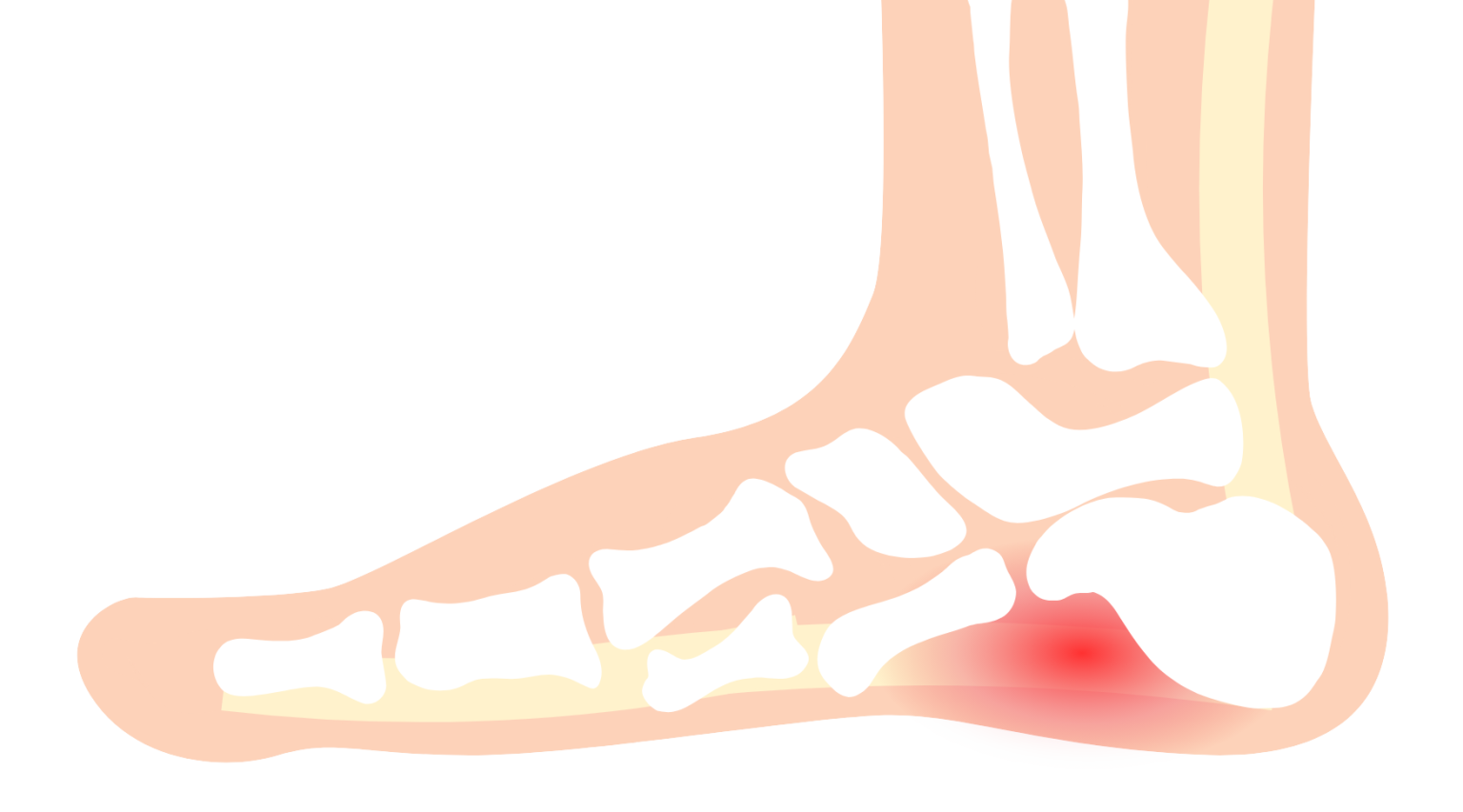
Foot and ankle conditions such as plantar fasciitis affect millions of adults each year in the United States. Therefore, researchers continue studying biologic preparations such as platelet-rich plasma in the context of musculoskeletal medicine.
What Is Platelet-Rich Plasma (PRP)?
Platelet-rich plasma is a plasma fraction derived from whole blood that contains a higher concentration of platelets than baseline circulating blood levels.
First, clinicians collect a small blood sample from the patient. Next, they process the sample using a centrifugation-based PRP preparation system. During centrifugation, the spinning motion separates blood components based on density.
Typically, this process produces several layers, including:
red blood cells (RBCs)
platelet-poor plasma (PPP)
platelet-rich plasma (PRP)
The clinician can then isolate the platelet-rich plasma fraction according to professional judgment.
Platelets contain signaling proteins often referred to as growth factors. Researchers frequently study these proteins because they participate in many biological processes related to cellular communication and tissue biology.
Platelet-Rich Plasma in Podiatric Medicine
Scientific literature has examined platelet-rich plasma across several musculoskeletal specialties. For example, researchers have explored PRP preparation in orthopedics, sports medicine, and foot and ankle medicine.
In podiatric clinics, physicians often use centrifuge-based PRP preparation systems that allow platelet concentration at the point of care.
Researchers have investigated platelet-rich plasma in the context of several foot and ankle conditions, including:
plantar fascia disorders
Achilles tendon conditions
ligament injuries
soft-tissue conditions of the foot and ankle
However, preparation protocols, platelet concentrations, and clinical approaches vary widely across studies. Therefore, researchers continue examining how PRP preparation methods influence the biological characteristics of platelet-rich plasma.
Comparison With Traditional Treatment Approaches
Foot and ankle conditions may be addressed through several conventional treatment strategies. These may include:
activity modification
orthotics or bracing
physical therapy
anti-inflammatory medications
corticosteroid injections
surgical procedures
In contrast, PRP preparation systems focus on processing autologous biologic material rather than delivering pharmaceutical agents.
As a result, researchers continue studying how biologic preparations such as PRP may fit within broader musculoskeletal care strategies.
PRP Preparation Workflow in Clinical Practice
Clinicians typically prepare platelet-rich plasma through a standardized workflow.
1. Blood Collection
First, the clinician collects a small sample of the patient’s blood using sterile blood-draw equipment.
2. Centrifugation
Next, the clinician places the sample into a centrifuge. The spinning motion separates blood components according to density.
3. Platelet Concentration
After centrifugation, the platelet-rich plasma layer becomes visible and can be isolated from other blood fractions.
4. Clinical Handling
Finally, the clinician handles the PRP preparation according to physician protocols and clinical judgment.
Modern PRP preparation systems are designed to support this workflow efficiently within medical practices.
Patient Considerations
Because PRP originates from a patient’s own blood, clinicians classify it as an autologous biologic preparation.
When physicians evaluate treatment options, they typically consider several factors, including:
patient history
clinical diagnosis
overall health status
physician judgment
Therefore, the treating physician determines treatment protocols and patient selection.
Why PRP Preparation Technology Matters
As interest in platelet-rich plasma continues to grow, researchers increasingly focus on how PRP is prepared, not only where it is used.
Preparation methods can influence several characteristics of platelet-rich plasma, including:
platelet concentration
plasma purity
red blood cell content
reproducibility of preparation protocols
For this reason, PRP preparation systems aim to support consistent and reliable separation of blood components within clinical environments.
For example, Tropocells® PRP preparation systems include features such as:
closed-system processing
controlled platelet separation
multiple blood-volume options
streamlined preparation workflows for medical practices
These design features help clinicians standardize the PRP preparation process while avoiding claims about clinical outcomes.
Ongoing Research in PRP Preparation
Although platelet-rich plasma has been studied for decades, research continues to evolve.
Investigators continue exploring several important topics, including:
variability in platelet concentration across systems
differences in centrifugation protocols
inconsistencies in reporting PRP preparation methods
As researchers address these challenges, improved standardization may help clinicians better compare PRP preparations produced by different systems.
The Future of PRP in Foot and Ankle Medicine
Interest in orthobiologic technologies continues to grow across many areas of musculoskeletal medicine. PRP preparation systems represent one category of technology that allows clinicians to process autologous biologic material directly within medical practices.
As research progresses, physicians and researchers will likely gain additional insights into how PRP preparation methods, platelet concentration, and cellular composition influence platelet-rich plasma preparations.
Regulatory Notice
Transcend Biologics systems are intended for the preparation of autologous platelet-rich plasma. The clinical use of PRP is determined by the treating physician.
Statements regarding potential clinical applications reflect published scientific literature and do not imply FDA-cleared indications.