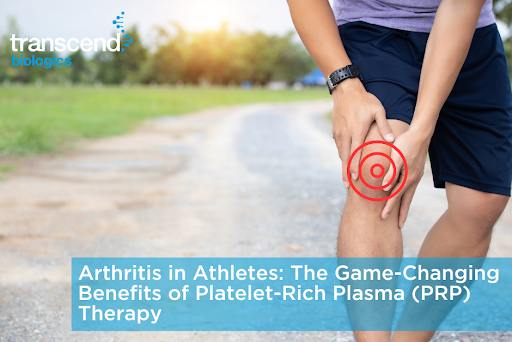
Introduction: Arthritis in Athletes
Athletes push their bodies to perform at a high level. However, repeated stress on joints can lead to long-term issues.
As a result, many athletes develop arthritis. This can affect performance, recovery, and overall quality of life.
Because of this, physicians are exploring new options. One area of interest is PRP for athletes, also known as platelet-rich plasma preparation.
Understanding Arthritis in Athletes
Arthritis refers to joint inflammation. However, different types affect athletes in different ways.
Osteoarthritis (Wear-and-Tear Arthritis)
Osteoarthritis develops over time due to repetitive stress.
It commonly affects:
• knees
• hips
• shoulders
Athletes in high-impact sports may experience this earlier than the general population.
Rheumatoid Arthritis
Rheumatoid arthritis is an autoimmune condition.
In this case, the immune system attacks joint tissue. As a result, inflammation and joint damage may occur.
Why Athletes Are at Higher Risk
Athletes place repeated stress on their joints.
For example:
• high-impact movement
• repetitive training
• prior injuries
Over time, this can lead to:
• cartilage breakdown
• joint inflammation
• reduced mobility
Therefore, early management is important.
What Is PRP for Athletes?
Platelet-rich plasma (PRP) is an autologous biologic preparation.
Clinicians produce PRP using a PRP preparation system.
Platelet-rich plasma preparation includes:
blood collection
centrifugation
platelet concentration
injection into the affected joint
Platelets contain signaling proteins that are widely studied in tissue repair.
How PRP Is Used in Sports Medicine
After platelet-rich plasma preparation, physicians inject PRP into the targeted area.
Common treatment areas include:
• joints
• tendons
• ligaments
• muscles
In many cases, clinicians use imaging guidance to improve accuracy.
Potential Benefits of PRP for Athletes
Research continues to evaluate PRP for athletes with arthritis.
Physicians may discuss the following potential benefits:
1. Minimally Invasive Approach
PRP injections do not require surgery.
Therefore, athletes may avoid long recovery periods associated with surgical procedures.
2. Uses the Body’s Own Biology
PRP comes from the patient’s own blood.
As a result, it is considered an autologous biologic approach.
3. May Help Manage Pain and Inflammation
Some patients report reduced discomfort following PRP procedures.
However, outcomes vary depending on the individual.
4. Supports Return-to-Activity Planning
Athletes often aim to return to training as soon as possible.
PRP may be discussed as part of a broader recovery plan.
5. Flexible Treatment Approach
Physicians can adjust treatment based on:
• injury type
• severity
• athlete goals
Why PRP Preparation Systems Matter
Not all PRP preparation systems are the same.
System design can affect:
• platelet concentration
• leukocyte content
• red blood cell removal
• reproducibility
Therefore, clinicians evaluate platelet-rich plasma preparation systems carefully.
Is PRP Right for Every Athlete?
PRP is not appropriate for every condition.
Because of this, physicians evaluate:
• injury history
• joint condition
• overall health
• performance goals
A proper consultation is essential.
Conclusion
Arthritis can be a major challenge for athletes.
At the same time, PRP for athletes is an area of growing research in sports medicine.
Because PRP uses the athlete’s own blood, it offers a different approach compared to traditional treatments.
However, treatment decisions should always be guided by a qualified healthcare professional.
Next Steps
If you are an athlete dealing with joint pain or arthritis, consult a physician.
They can:
• evaluate your condition
• discuss available options
• determine if PRP fits your care plan
Platelet-Rich Plasma Treatment: A Game-Changer for Arthritis Sufferers
Regulatory Notice
PRP preparation systems are intended for the preparation of autologous platelet-rich plasma.
Clinical use of PRP is determined by the treating physician based on patient evaluation and professional judgment.
Statements regarding PRP reflect published scientific literature and are not intended to imply FDA-cleared indications for specific clinical outcomes.