Blog posts by Category: Veterinary Medicine
Posted on | PRP Education & Treatment
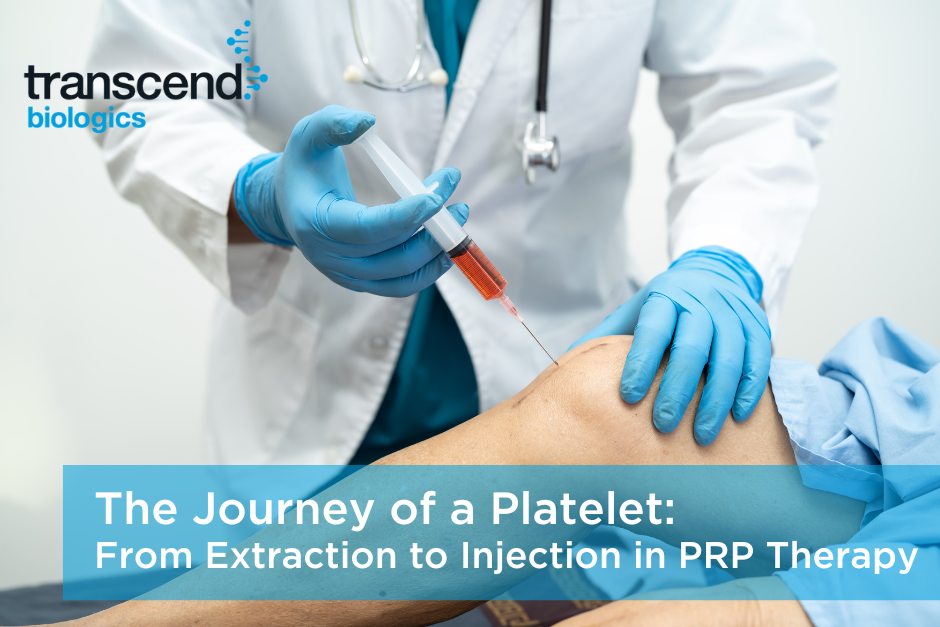
Platelet-rich plasma (PRP) preparation has become an important topic in orthopedic, sports medicine, and veterinary practices. As interest in biologic technologies grows, many clinicians want to better understand how PRP preparation systems work. The process begins with a simple blood draw. Next, clinicians use centrifugation technology to separate the blood components. Finally, they collect the…
Posted on | Sports Medicine
Understanding Tissue Breakdown and Tissue Repair In musculoskeletal medicine, physicians frequently treat tendon injuries, ligament strain, joint degeneration, and other soft-tissue disorders. To understand these conditions, clinicians must first understand two key biological processes: catabolism and anabolism. These processes explain how the body responds to injury and tissue stress. Catabolic processes break down damaged tissue….
Posted on | PRP Education & Treatment
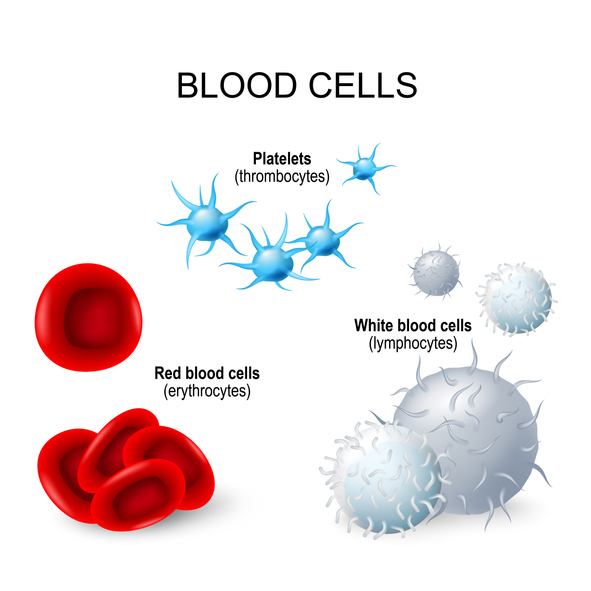
Platelet-rich plasma (PRP) preparation has become an important topic in regenerative medicine and musculoskeletal research. As clinicians evaluate biologic technologies, many focus on the cellular composition of PRP, especially the presence or absence of leukocytes (white blood cells). In scientific literature, researchers typically classify PRP preparations into two main categories: Leukocyte-rich PRP (LR-PRP) Leukocyte-poor PRP…
Posted on | PRP Education & Treatment
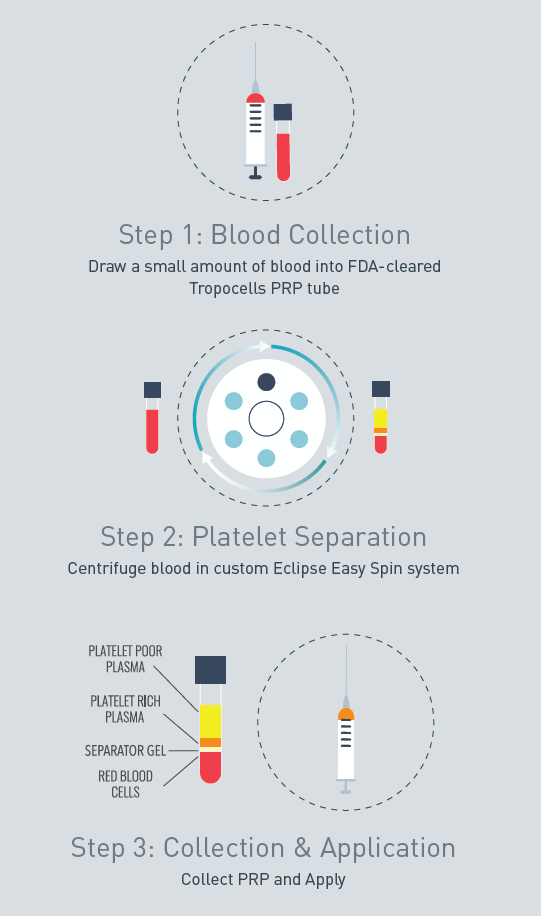
Platelet-rich plasma (PRP) has become one of the most studied biologic preparations in orthopedic medicine, sports medicine, and regenerative medicine research. As interest in biologic technologies grows, many clinicians want to understand how PRP preparation systems work and how they influence the characteristics of PRP samples. In clinical settings, physicians create PRP by processing a…
Posted on | Industry Update
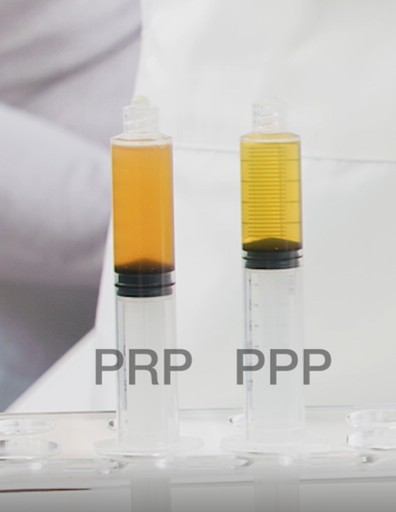
Introduction Platelet-rich plasma (PRP) is an autologous biologic preparation created from a patient’s own blood. In clinical settings, physicians produce PRP using centrifugation-based PRP preparation systems that concentrate platelets within a plasma fraction. Over the past two decades, interest in PRP has grown across orthopedic medicine, sports medicine, and regenerative medicine research. As a result,…
Posted on | Veterinary Medicine
Veterinary Medicine Operates Under a Different Economic Model Veterinary medicine follows a very different economic model than human healthcare. In the United States, less than 4% of pets have insurance coverage. Therefore, most veterinary services are paid directly by pet owners at the time of care. Because of this structure, treatment decisions often occur through…