What is Platelet-Rich Plasma (PRP)?
Understanding Platelet-Rich Plasma Preparation Technology
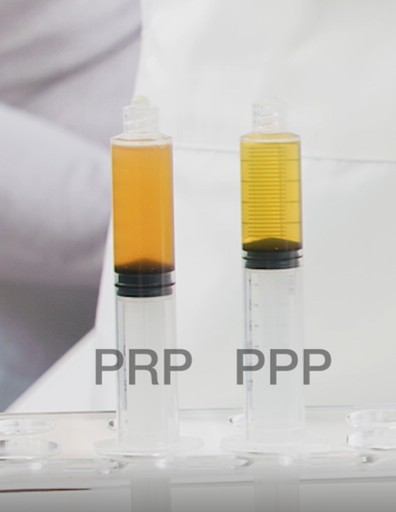
Platelet-rich plasma (PRP) is a biologic preparation made from a patient’s own blood. Clinicians create PRP by collecting blood and concentrating platelets within the plasma.
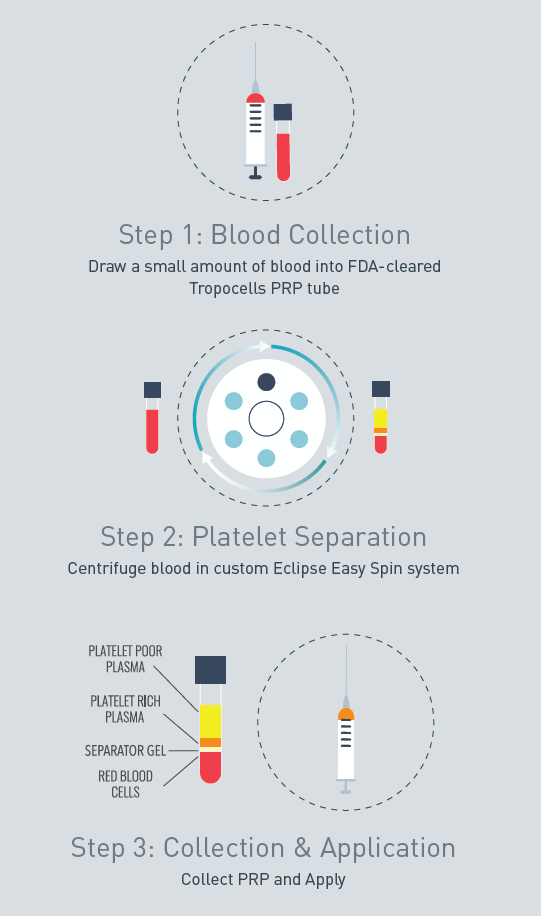
First, a clinician collects a small blood sample. Next, the sample is processed using centrifugation technology. The centrifuge separates the blood into layers based on density. Then the system isolates plasma that contains a higher concentration of platelets.
Because PRP comes from the patient’s own blood, clinicians describe it as an autologous biologic preparation.
Healthcare professionals use specialized PRP preparation systems and centrifuge technology to produce platelet-rich plasma through a controlled workflow.
Today, many medical and veterinary practices prepare PRP directly in their clinics using point-of-care preparation systems.
Learn more about our Tropocells® PRP preparation system for medical practices
How Platelet-Rich Plasma Is Prepared
PRP preparation systems separate whole blood into its components using centrifugation. This process allows clinicians to isolate and concentrate platelets within the plasma fraction.
Most PRP preparation workflows follow four basic steps.
Blood Collection
First, a clinician collects whole blood using sterile components designed for PRP preparation.
Centrifugation
Next, the sample spins in a centrifuge. The centrifuge separates the blood into layers such as red blood cells, plasma, and platelets.
Platelet Concentration
Then the system concentrates platelets within the plasma fraction using its separation technology.
Preparation According to Instructions for Use
Finally, the clinician prepares the platelet-rich plasma according to the product’s Instructions for Use.
Modern PRP preparation systems help simplify this workflow. As a result, clinicians can prepare PRP using a consistent and repeatable process.
What Are Platelets?
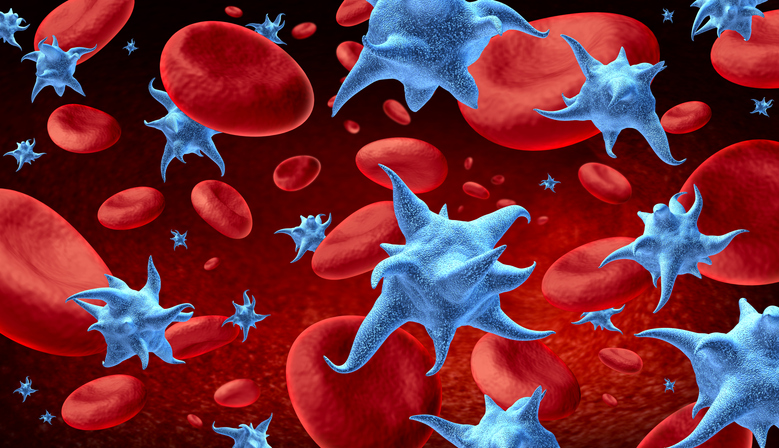
Platelets are small components found in circulating blood. They play an important role in natural biological processes within the body.
During PRP preparation, centrifugation technology separates platelets from other blood components. Then the preparation system concentrates these platelets within plasma.
Specialized PRP preparation equipment helps clinicians isolate platelets using a controlled and repeatable process.
👉 Leukocyte-Rich vs Leukocyte-Poor PRP:
/leukocyte-rich-vs-leukocyte-poor-prp/
Choosing a PRP Preparation System
When clinicians evaluate PRP preparation technology, they often review several practical factors.
For example, physicians and veterinarians may consider:
- reliability of platelet separation
- ease of clinical workflow integration
- sterile single-use preparation components
- centrifuge compatibility
- training and support resources
Therefore, understanding how PRP preparation systems work helps clinicians compare available technologies.
Learn More About PRP Preparation Systems
Transcend Biologics develops platelet-rich plasma (PRP) preparation systems for medical and veterinary professionals seeking dependable biologic preparation technology.
You can explore additional information about PRP preparation through the following resources:
- Tropocells® PRP preparation systems for medical practices
- TropoVet® veterinary PRP preparation systems
- PRP training workshops and educational webinars
You can also contact our team to request more information about PRP preparation technology.