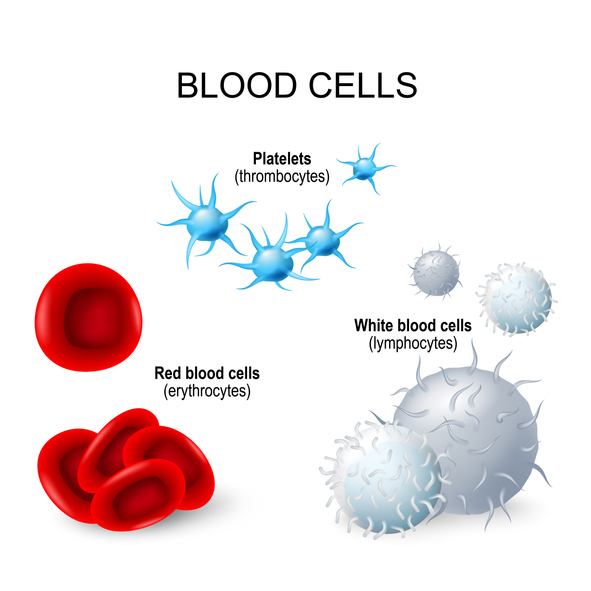
Platelet-rich plasma (PRP) preparation has become an important topic in regenerative medicine and musculoskeletal research. As clinicians evaluate biologic technologies, many focus on the cellular composition of PRP, especially the presence or absence of leukocytes (white blood cells).
In scientific literature, researchers typically classify PRP preparations into two main categories:
Leukocyte-rich PRP (LR-PRP)
Leukocyte-poor PRP (LP-PRP)
Therefore, understanding these preparation types helps physicians and researchers evaluate PRP preparation systems, centrifugation methods, and platelet concentration workflows.
What Is Platelet-Rich Plasma (PRP)?
Platelet-rich plasma is an autologous biologic preparation derived from a patient’s own blood.
First, clinicians collect a small sample of whole blood. Next, they process the sample using centrifugation technology, which separates blood components based on density.
After centrifugation, blood usually separates into three primary layers:
Red blood cells (RBCs)
Platelet-poor plasma (PPP)
Platelet-rich plasma (PRP)
The PRP fraction contains platelets in concentrations higher than those found in circulating blood.
Researchers study platelets closely because they contain signaling proteins stored within intracellular granules. These proteins often play roles in cellular communication and tissue biology.
What Are Leukocytes?
Leukocytes, or white blood cells, are key components of the immune system. They help regulate immune activity and inflammatory signaling within the body.
Several types of leukocytes circulate in blood, including:
neutrophils
lymphocytes
monocytes
eosinophils
basophils
During PRP preparation, centrifugation separates these cells along with other blood components. As a result, the preparation system and centrifugation protocol influence how many leukocytes remain in the final PRP sample.
Leukocyte-Rich PRP (LR-PRP)
Leukocyte-rich PRP refers to platelet-rich plasma preparations that contain higher concentrations of white blood cells.
In these preparations, the separation process retains leukocytes along with platelets. Therefore, LR-PRP samples often contain multiple cellular components from whole blood.
Typical LR-PRP preparations may include:
platelets
leukocytes
plasma proteins
However, the exact composition can vary depending on centrifugation settings and the design of the PRP preparation system.
Leukocyte-Poor PRP (LP-PRP)
Leukocyte-poor PRP contains reduced levels of white blood cells compared with leukocyte-rich preparations.
LP-PRP preparation systems aim to concentrate platelets while minimizing the presence of leukocytes and red blood cells.
To accomplish this, many systems use specialized separation technologies such as:
gel-separation barriers
defined centrifugation protocols
plasma isolation techniques
As a result, the final PRP sample contains concentrated platelets with relatively low leukocyte levels.
Why Leukocyte Content Matters in PRP Research
Researchers frequently analyze leukocyte concentration when studying PRP.
First, leukocytes contain enzymes and inflammatory mediators. Because of this, scientists often evaluate how leukocyte levels influence the biological characteristics of PRP preparations.
However, the scientific literature also highlights a key challenge. PRP samples can vary widely between studies.
Several factors influence PRP composition, including:
centrifugation speed
centrifugation duration
platelet recovery rates
PRP system design
plasma extraction methods
Therefore, many investigators recommend detailed reporting of PRP preparation methods when publishing research studies.
How PRP Preparation Systems Influence Cellular Composition
PRP preparation systems play an important role in determining the final composition of platelet-rich plasma.
These systems process whole blood through centrifugation and plasma separation. As a result, different systems may produce PRP samples with varying levels of:
platelets
leukocytes
red blood cells
For this reason, physicians evaluating PRP technologies often consider how preparation systems influence platelet concentration, plasma purity, and reproducibility of preparation protocols.
Some systems aim to concentrate platelets while reducing leukocyte content. Others recover a broader range of blood components.
Tropocells® PRP Preparation System
The Tropocells® PRP preparation system uses centrifugation and gel-separation technology to support platelet separation from whole blood.
Key design features include:
closed-system processing
controlled platelet separation
reduced red blood cell carryover
consistent preparation workflow
These design elements support the isolation of platelet-rich plasma within clinical environments.
The clinical use of PRP preparations is determined by the treating physician based on patient evaluation and professional judgment.
Ongoing Research in PRP Composition
Interest in PRP composition continues to grow as scientists study platelet biology and orthobiologic technologies.
Current areas of research include:
variability in leukocyte concentration across PRP systems
platelet recovery during centrifugation
improved standardization of PRP preparation protocols
laboratory analysis of platelet-associated proteins
Because PRP preparations vary between systems, many researchers encourage standardized reporting of PRP composition in scientific studies.
Conclusion
Leukocyte concentration remains one of the most important variables in platelet-rich plasma preparation.
The distinction between leukocyte-rich PRP and leukocyte-poor PRP reflects differences in cellular composition that result from centrifugation and separation technology.
By understanding these differences, physicians and researchers can better evaluate PRP preparation systems and interpret findings reported in scientific literature.
As orthobiologic research continues to evolve, improved standardization of PRP preparation methods may help clarify the biological characteristics of platelet-rich plasma samples.
Regulatory Notice
Tropocells® systems are intended for the preparation of autologous platelet-rich plasma. The clinical use of PRP is determined by the treating physician.
Statements regarding potential clinical applications reflect published scientific literature and do not imply FDA-cleared indications.